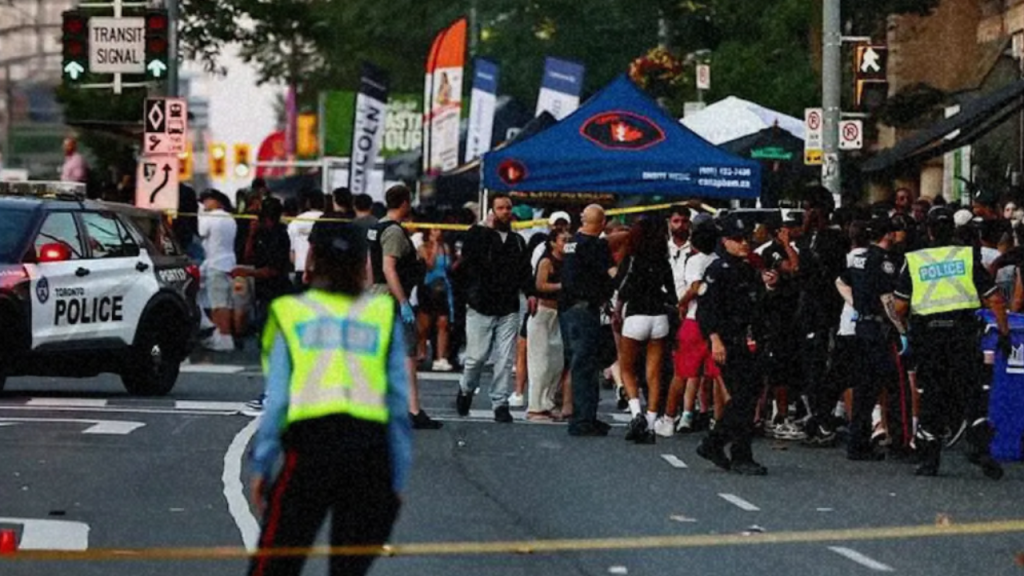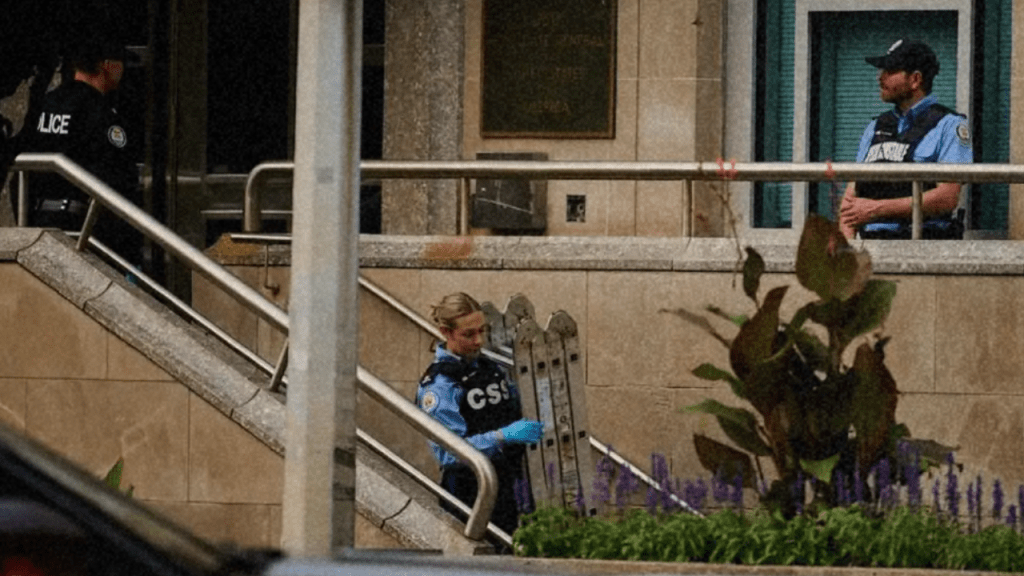
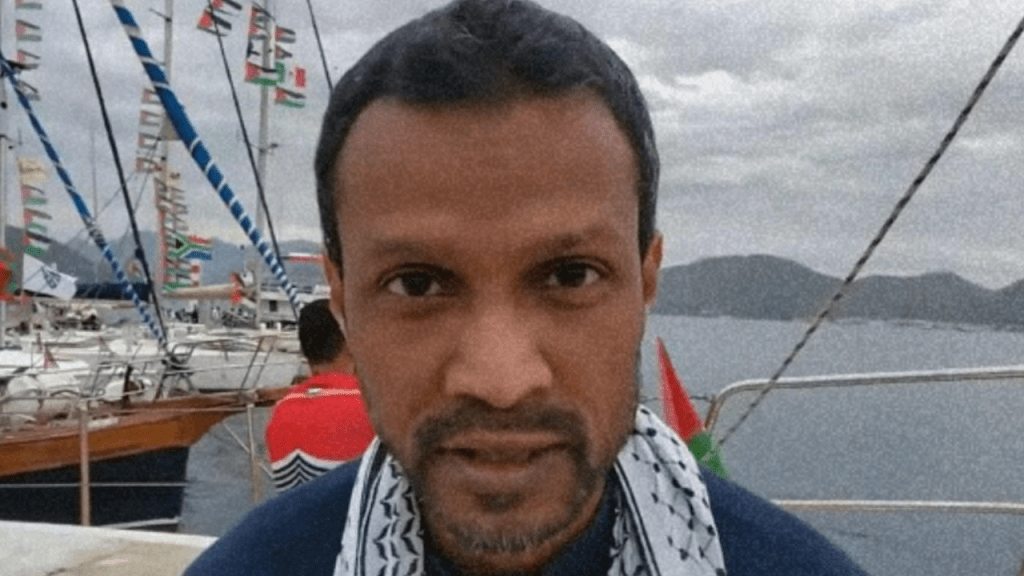
Supporters of Rohingya humanitarian Ko Tinmaung say Peel Regional Police separated him from the people waiting at Toronto Pearson Airport and transported him elsewhere after he returned from Israeli detention.
The account is specific and serious. It also remains publicly unverified. Peel police have issued no explanation, independent reporting has not established the sequence and Ko’s own available statements do not describe the Pearson encounter. Those gaps make police disclosure necessary, not optional.
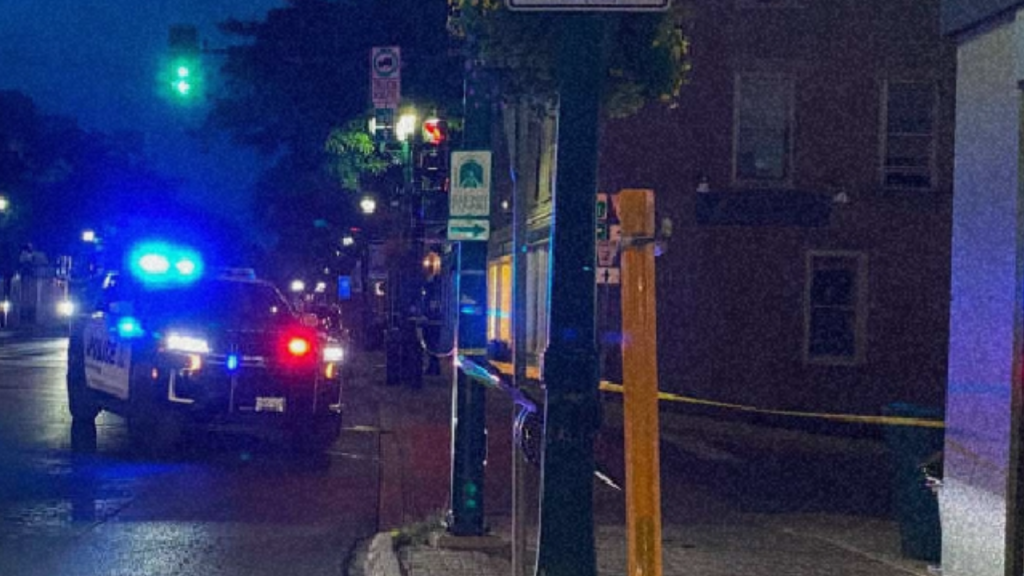
On June 4, Toronto activist Nur Dogan posted that Ko had arrived at Pearson but was detained by Peel police. Her account said supporters waiting to receive him were prevented from reuniting with him and that police transported him away from the airport.
The post described the police action as a kidnapping and said Ko was later left at an empty masjid miles away. Other activists repeated the allegation, but repetition does not create independent confirmation. The claims appear to come from the same supporter account.
The distinction between Ko’s testimony and what supporters reported must remain clear. Ko publicly described his treatment in Israeli detention and recorded a message before returning to Toronto. The available record by June 4 did not include his own account of what Peel police did after he landed.
No public Peel police statement explained whether officers met him, detained him, transported him or acted at the request of another agency. Searches produced no occurrence number, arrest record, charge or independent witness account that resolved the allegation.
What is already confirmed
Ko Tinmaung is a Toronto-based Rohingya activist who joined a civilian flotilla attempting to reach Gaza. Israeli forces intercepted the flotilla, and Canadian participants were among those detained.
Ko later recorded a message from Istanbul before boarding his flight to Toronto. FORSEA, a Southeast Asian democracy and human-rights network, reported that he had spent 96 hours in Israeli custody and alleged that he suffered abuse and beatings.
Friends and relatives of Toronto participants had already spoken publicly about the risks faced by the flotilla. Their mission was political as well as humanitarian: carry aid toward Gaza and directly challenge the siege preventing civilian vessels from reaching Palestinians.
Ko therefore did not arrive as an unknown traveller passing through Pearson. He returned after a widely publicized international interception, carrying testimony about detention by a state closely aligned with Canada.
What remains unverified
The public does not know Ko’s legal status during the alleged Pearson encounter. It has not been established whether he was arrested, detained for investigation, referred by border officials, offered a ride or told he was free to leave.
It is also unclear which institutions were present. Pearson contains overlapping jurisdictions involving the Canada Border Services Agency, Peel police, airport security and federal authorities. A person can pass between administrative, customs and police control without the public understanding which agency made each decision.
The allegation that he was taken to an empty masjid is especially consequential and especially in need of corroboration. The record does not identify the masjid, the officers involved, the vehicle, the arrival time or anyone who witnessed him being left there.
Those missing details prohibit a categorical claim that police kidnapped or abandoned Ko. They do not justify silence from the force named in a direct public allegation.
Peel can establish the basic record
Peel Regional Police should be able to say whether its officers interacted with Ko at Pearson on his return. That answer does not require compromising an investigation or disclosing private medical information.
If officers detained him, the force should identify the legal authority and duration. If he was arrested, it should identify the grounds. If the interaction was voluntary, it should explain whether Ko was told that he could decline police assistance and reunite with the people waiting for him.
If police transported him, the force should say where he asked to go, who selected the destination and whether he consented. If another agency requested police involvement, Peel should identify that agency and describe its own role.
These facts should exist in dispatch records, officer notes, airport surveillance, vehicle logs and any occurrence report. Police routinely demand that the public accept their documentation as authoritative. They cannot invoke opacity when that documentation could confirm or disprove an allegation against them.
Airports make coercion difficult to see
Airports are controlled environments where police, border officers, private security and airport authorities exercise overlapping powers. Travellers often cannot tell when a request is voluntary, when questioning has become detention or which uniformed institution controls their movement.
That ambiguity is especially acute after international travel. A person may be exhausted, injured, separated from belongings or unsure whether refusing instructions will jeopardize entry into the country. Formal language about consent can conceal a situation in which compliance feels compulsory.
Removing a traveller from the arrivals process also separates that person from witnesses and support. Family, friends, lawyers and organizers waiting outside customs may know only that the person has landed but has not emerged.
If Ko was transported voluntarily, a clear account should establish that. If he was not free to leave or choose his destination, the encounter requires a legal explanation. The grey zone cannot be allowed to perform the work of authority while protecting every agency from accountability.
Palestine solidarity enters a security system
The allegation arose after Ko participated in a mission openly challenging Israel’s siege of Gaza. That political context does not prove why Canadian authorities may have interacted with him. It does make the purpose and scope of any questioning a matter of public concern.
Canadian institutions have repeatedly treated Palestine solidarity through a public-order and security lens. Demonstrations are monitored, encampments are cleared and activists face surveillance and arrest. A returning flotilla participant would reasonably question whether police interest concerned ordinary airport procedure or political activity.
That question cannot be answered by assuming a coordinated political operation without evidence. It can be answered through records. Did officers ask about the flotilla, Gaza, other participants or Ko’s organizing? Did they search devices or request information? Did any security or intelligence body make a referral?
If none of that occurred, Peel can narrow the public account. If it did occur, Canadians need to know how participation in a humanitarian mission became a matter for domestic policing.
Ko returned from Israeli detention
The Canadian encounter cannot erase what preceded it. Ko said he had been abused by Israeli forces after the flotilla was intercepted. His return should have centred his testimony and the political purpose of the mission.
Instead, the uncertainty around Pearson shifted attention toward Canadian authorities. Supporters who expected to receive someone returning from detention believed police had isolated him again. That perception did not emerge from nowhere. It emerged from his disappearance from their expected reunion and the absence of an official account.
Police may dispute the supporters’ description. They may possess evidence showing that Ko requested transportation or that officers acted for reasons unrelated to his politics. Publicly producing the basic chronology would allow those claims to be tested.
Silence leaves the most alarming version circulating without verification and forces Ko’s supporters to reconstruct state action from the outside. That outcome serves neither accountability nor factual reporting.
An allegation demands an answer
A supporter’s social-media post is not a completed investigation. It should not be converted into certainty through repetition, political sympathy or distrust of police. The same standard applies to any eventual police statement. An institutional denial would also require evidence.
The immediate question is narrower. Did Peel police take control of Ko Tinmaung’s movement after he arrived at Pearson? If so, under what authority, for what purpose and with what degree of consent?
Peel police can answer whether its officers detained or transported him. Airport authorities and federal agencies can identify their roles. Ko can decide when and how to give his own account.
Until that record exists, the article cannot honestly declare that Ko was kidnapped. It can state that supporters made the allegation, show what is confirmed and demand the documentation needed to determine what happened.
Ko returned from one state’s detention to an airport where supporters say another state’s police removed him from view. Peel Regional Police should explain whether that happened and account for every power its officers exercised.