
Winnipeg’s Rahma Islamic Centre was attacked as Ottawa moved away from a dedicated anti-Islamophobia role, exposing the limits of security-only responses.
The centre is more than a place of worship. Located on Watt Street, Rahma Islamic Centre provides religious education, charitable support, social services and assistance to Muslim families. The attack therefore struck a community institution built around everyday needs: prayer, learning, care and mutual support.
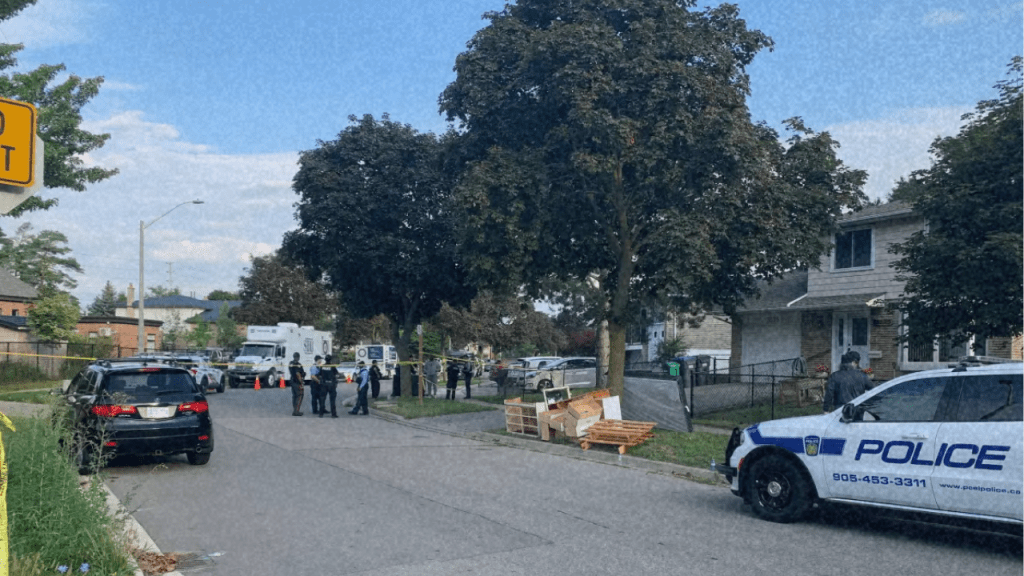
According to local reporting, Winnipeg police believe an airsoft or pellet-style weapon was probably used to damage the windows. Security video reportedly showed two people approaching the centre, with breaking glass audible and one person said to have struck the building with a blunt object. Investigators are also examining whether damage at a nearby residence was connected because of its timing and proximity.
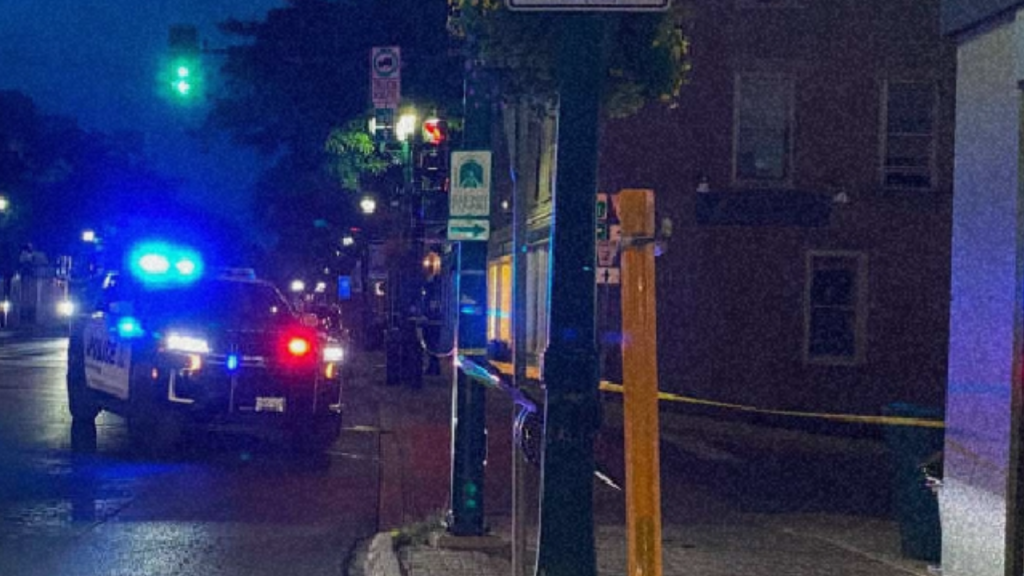
No injuries were reported. The Winnipeg Police Service’s Hate Crimes Unit is investigating the attack as potentially hate-motivated, and police said patrols would be increased around Rahma and other local mosques.
That is an investigative assessment, not a final legal finding. Police have not established who carried out the attack, whether the nearby property damage was connected or what motivated those responsible. Rahma should therefore be described as the subject of a suspected hate-motivated attack.
That uncertainty does not make the attack politically insignificant. It clarifies the responsibility of public institutions: protect the community now, investigate thoroughly and confront the broader conditions that make Muslim institutions recurring targets.
Protection Is Necessary, but It Is Not Enough
Increased patrols are an understandable response. So are repaired windows, improved lighting, cameras, controlled access and emergency planning.
Winnipeg police had already increased their visibility around local places of worship in June, following a mosque shooting in San Diego. The force’s Rapid Response Unit had also supported Eid al-Adha celebrations and other religious events. After the Rahma attack, community member Tasneem Vali told CBC that police patrols could help people feel safer, while also warning that escalating security can itself produce anxiety.
Muslim communities should not be portrayed as rejecting immediate protection. The problem begins when protection becomes the state’s complete political answer.
A mosque can install stronger glass. It can add cameras, alarms and security personnel. It can develop emergency plans and ask worshippers to remain vigilant. None of those measures confront institutional discrimination, hostile political rhetoric, inflammatory media narratives or public policies that repeatedly treat Muslims as objects of suspicion.
Security responds to immediate vulnerability. Anti-Islamophobia policy must also address the institutions and narratives that help create that vulnerability.
A Recurring Pattern
Rahma’s members were not responding in a vacuum. In January, hate-related graffiti appeared at Winnipeg’s Abu Bakr Al-Siddiq Community Centre and Masjid. That vandalism was part of a wider spree that also affected a synagogue, Munson Park, vehicles, homes and garages. A man was charged with 14 counts of mischief under $5,000 or obstruction in the enjoyment of property.
The cases cannot be collapsed into one coordinated campaign, and there is no basis for linking the same perpetrators or network. But another Winnipeg mosque had been targeted only months before Rahma. That recent history shapes how communities experience a new attack, even when investigators have not yet established its motive.
The national figures reinforce the seriousness of the problem while revealing only part of it.
Statistics Canada recorded 4,882 police-reported hate crimes in 2024, an increase of 169 percent since 2018. Of those incidents, 1,342 targeted religion, with 17 percent of religiously motivated incidents targeting Muslims.
These numbers are not a complete measure of Islamophobia. They include only incidents reported to police and then classified as confirmed or suspected hate-motivated crimes. Trust, access, previous experiences with law enforcement and expectations about whether authorities will act all affect reporting.
The official figures document a serious increase, but they do not provide a complete measure of Islamophobia. More broadly, federal survey data suggest that most incidents perceived as hate-motivated never reach police.
Ottawa Replaced Dedicated Responsibility With a General Mandate
The Rahma attack occurred in the same year the federal government moved away from a dedicated anti-Islamophobia role.
On February 4, Ottawa announced an Advisory Council on Rights, Equality and Inclusion. Its mandate covers all forms of racism and hate, including antisemitism and Islamophobia.
Government briefing materials say the transition toward dissolving both the Special Representative on Combatting Islamophobia and the Special Envoy on Preserving Holocaust Remembrance and Combatting Antisemitism began after the council was announced.
Amira Elghawaby resigned as special representative on February 25.
Her office had advised the federal government on legislation, policies and programs affecting Muslim Canadians. It worked across departments and led the development of the federal guide to understanding and combatting Islamophobia.
Ottawa has not ended every program related to Islamophobia or hate. The federal government still points to its Anti-Racism Strategy, Action Plan on Combatting Hate, community-security funding, police and prosecutor training, victim-support initiatives and the new advisory council.
But something specific was lost.
A government representative with a dedicated mandate to examine public policy through the experiences of Muslim communities was replaced by a council responsible for every form of racism and hate. A broader mandate may still produce useful work. It cannot be assumed to provide the same focus, access or accountability as a dedicated office.
Security Without Political Accountability
Manitoba launched a $1-million Security Enhancement Fund in January. Religious and cultural organizations can apply for support for lighting, alarms, cameras, controlled access, safety training, restoration after hate incidents and community-designed security plans.
The federal Canada Community Security Program similarly supports physical security equipment, risk assessments, planning and time-limited security personnel. The Spring Economic Update proposed an additional $75 million over five years.
These programs matter. A mosque facing threats should not have to choose between community services and secure windows. Public money for protection can reduce immediate risk and help institutions recover after an attack.
But the structure of these programs places much of the burden on the institutions themselves. A mosque must document the danger, submit an application, develop a security plan and manage the equipment or guards. The community becomes responsible for proving its vulnerability and administering its own fortification.
That is not a replacement for political accountability.
Canada’s own anti-Islamophobia guidance recognizes that the problem operates at several levels: individual hostility and violence, attacks against community institutions and systemic discrimination within policing, security screening, government policy, media and political rhetoric. The federal Action Plan on Combatting Hate also acknowledges that Muslim communities have sometimes been over-surveilled while remaining under-protected.
Governments can help a mosque survive the next attack by paying for glass, cameras and patrols. Those measures do not replace an institution empowered to ask how laws, security practices and political narratives contribute to the conditions in which attacks occur.
The response to Rahma must include protection. It must also include a thorough investigation, public accountability and policy shaped with Muslim communities rather than merely applied to them.
Muslims should not be treated as recurring security clients expected to fortify their buildings whenever hostility breaks through another window. They are political participants entitled to influence the laws, institutions and public narratives governing their lives.
The attack in Winnipeg damaged a community centre. Ottawa’s retreat from dedicated responsibility raises the larger question of who is expected to repair the political conditions surrounding it.
Sources
- Rahma Islamic Centre, institutional website and community-service description.
- CBC News, local reporting on the Rahma Islamic Centre attack and Winnipeg Police response, July 2026.
- Rapid Response Unit Providing Flexible Support Across Winnipeg, Winnipeg Police Service, June 8, 2026.
- Winnipeg man charged after hate-related vandalism targets synagogue, mosque, Global News, January 2026.
- Police-reported hate crime in Canada, 2024, Statistics Canada, March 30, 2026.
- Government of Canada launches new Advisory Council on Rights, Equality and Inclusion, Canadian Heritage, February 4, 2026.
- Hot Items — Special Representative on Combatting Islamophobia, Canadian Heritage briefing materials, 2026.
- Statements on Amira Elghawaby’s resignation, Canadian Heritage, February 25, 2026.
- The Canadian Guide to Understanding and Combatting Islamophobia, Government of Canada.
- Canada’s Action Plan on Combatting Hate, Government of Canada.
- Manitoba Government Launches $1-Million Security Enhancement Fund, Province of Manitoba, January 19, 2026.
- Spring Economic Update 2026, Chapter 2, Government of Canada.