
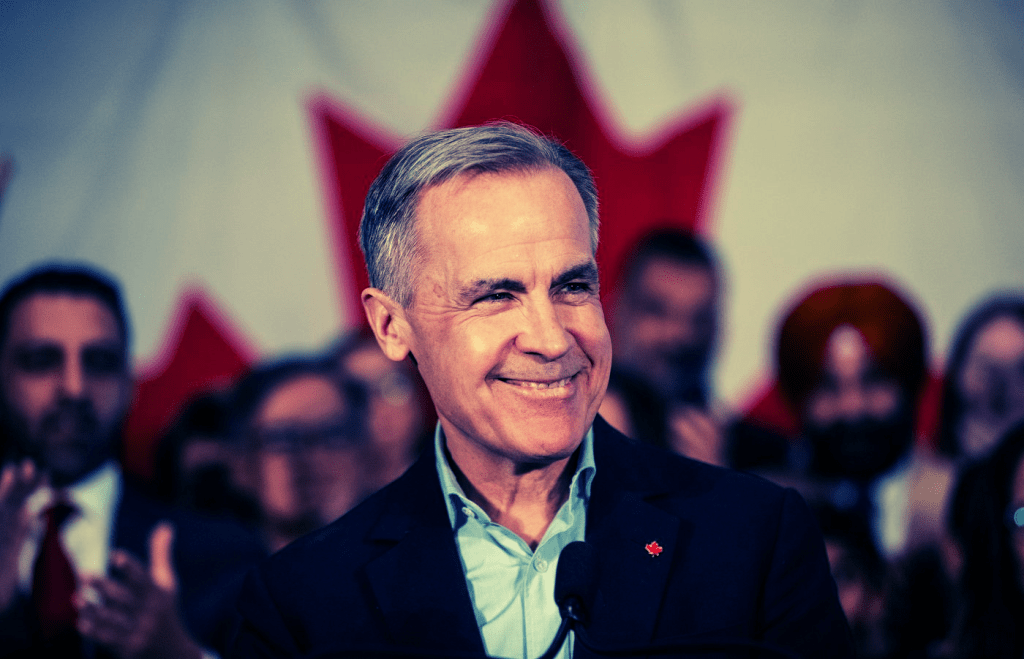
Mark Carney neoliberalism reflects a polished, progressive image that masks deep ties to corporate power and a steadfast commitment to maintaining the status quo.
Mark Carney’s transition from central banker to the top political leader in Canada reflects a broader tension between superficial reform and genuine progressive change. Lauded as a steady hand by mainstream observers, Carney markets himself as an advocate of “responsible capitalism”—a model that claims to address capitalism’s failures without challenging its foundational structures. But a closer look at his record reveals a deep alignment with neoliberalism and global financial elites, not the transformative vision true progressives demand.
In his 2021 book Value(s), Carney acknowledges the ethical and social shortcomings of capitalism, echoing concerns raised by thinkers like Michael Sandel. He calls for more corporate responsibility and socially-conscious investing. However, these proposals remain rooted in voluntary compliance and market-based solutions.
As Jacobin magazine aptly noted, this framework functions more as public relations than as a blueprint for systemic reform. It does not redistribute wealth, power, or decision-making toward the public—it merely asks elites to be nicer.
Carney’s time as Governor of the Bank of Canada (2008–2013) is often praised for its crisis management during the global financial meltdown. Yet behind this reputation lies over $100 billion in liquidity support quietly funneled to Canadian banks, preserving their profitability without demanding accountability or reform.
As Governor of the Bank of England (2013–2020), Carney oversaw policies like quantitative easing and low interest rates, which inflated asset prices and disproportionately benefited the wealthy. Though he occasionally criticized austerity and inequality, he consistently opposed radical proposals—such as Jeremy Corbyn’s “People’s QE”—that aimed to redirect central banking toward public welfare.
Carney’s climate credentials are similarly fraught. As UN Special Envoy for Climate Action and Finance, he led initiatives like the Task Force on Climate-related Financial Disclosures and the Glasgow Financial Alliance for Net Zero. But these efforts are non-binding and voluntary, allowing major institutions to backtrack under pressure.
His support for “transition finance”—which continues to fund fossil fuel companies during their slow shift to renewables—delays urgent action and props up the status quo. His senior role at Brookfield Asset Management, a firm heavily invested in fossil fuels and accused of greenwashing, further undermines his credibility on climate issues.
Politically, Carney’s vision mirrors Justin Trudeau’s centrist liberalism: progressive branding with little appetite for disrupting corporate interests. Like Trudeau, Carney supports incremental reforms that preserve elite confidence rather than challenge concentrated power. His stance stands in stark contrast to progressive leaders like Jeremy Corbyn, who advocate for wealth redistribution, stronger labor rights, and public ownership.
Carney’s rise presents a challenge for Canadian progressives. His polished image and reformist language mask a deep commitment to neoliberal norms. If he enters politics, his leadership risks continuing the same policies that maintain inequality and corporate dominance—just with a more compassionate tone. To achieve real change, progressives must recognize Carney’s limitations and organize for policies that confront, not accommodate, capitalist power.









 Spark Solidarity