
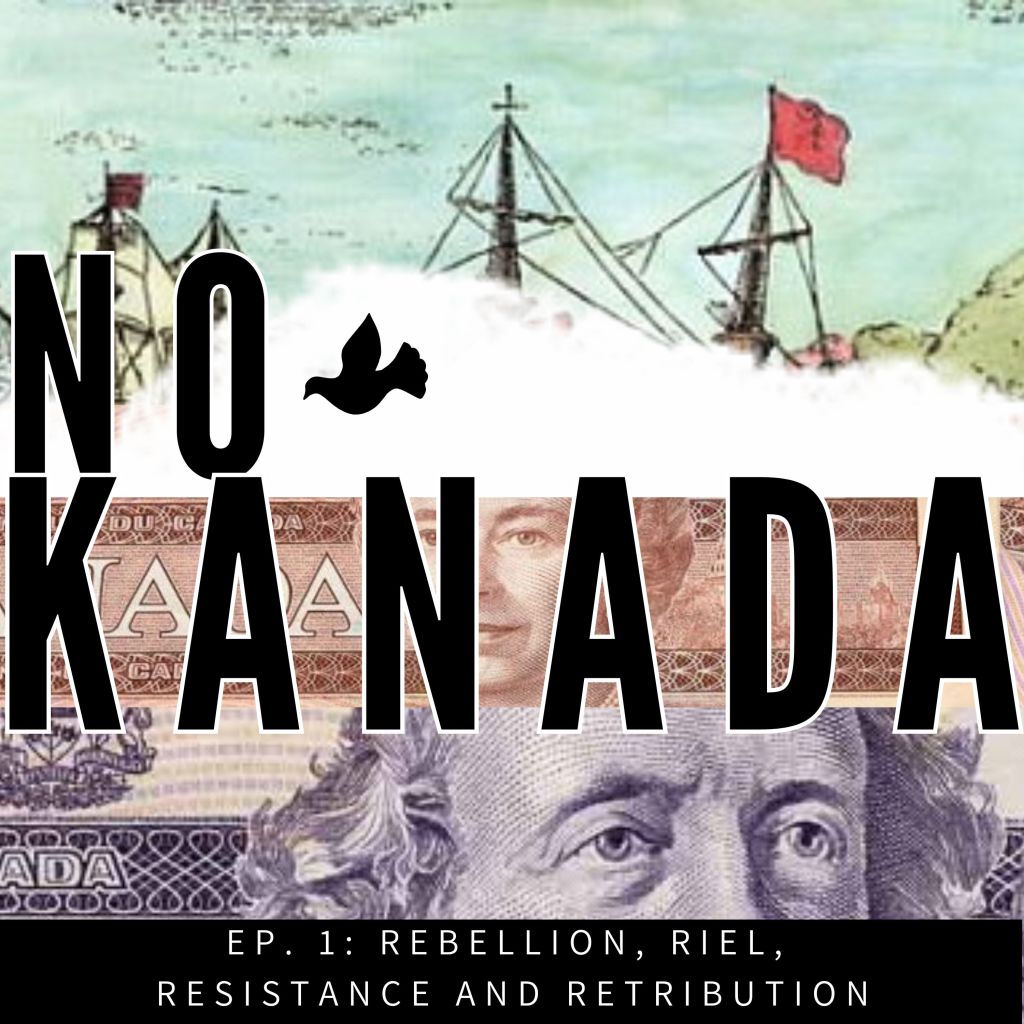
In the first episode of No Kanada, we uncover how rebellion, resistance, and colonial consolidation shaped Canada’s foundation and ongoing legacy.
Canada’s formation was not a peaceful process—it was shaped by rebellion, violent resistance, and deep political manipulation. This episode explores the events leading to Confederation and the lasting consequences of colonial rule.
In 1837, William Lyon Mackenzie led an armed uprising in Upper Canada, protesting corruption and the anti-democratic government controlled by British elites. Similar discontent fueled revolts in Lower Canada. In response, Lord Durham was sent to investigate, and his Durham Report recommended responsible government—a proposal initially rejected by Britain. Instead, the Act of Union (1841) merged Upper and Lower Canada, setting the stage for Confederation.
By the 1860s, political deadlock and external threats pushed leaders toward unity. The British North America Act (1867) created the Dominion of Canada, but this consolidation of power was driven as much by economic interests as by democratic ideals. Historians debate whether Canada’s foundation was shaped more by classical liberalism or by state-led corporatism.
Meanwhile, Indigenous resistance intensified. The Red River Resistance (1869-70), led by Louis Riel, resulted in the creation of Manitoba but also in state-sponsored Metis displacement. Riel’s later leadership in the North-West Resistance (1885) ended with his execution—an event that deepened Franco-Anglo tensions in Quebec and across all of Canada. Indigenous leaders Poundmaker and Big Bear were also imprisoned as Canada expanded westward, imposing the Numbered Treaties that dispossessed First Nations of their land.
The Indian Residential School System, spearheaded by John A. Macdonald, furthered the government’s colonial project by attempting to erase Indigenous cultures. The repercussions of these policies continue to this day.
The history of Canada is one of forced assimilation, uprisings, and political consolidation. Understanding this past is crucial to recognizing how power has shaped the nation and how its colonial legacy persists.




 Spark Solidarity