
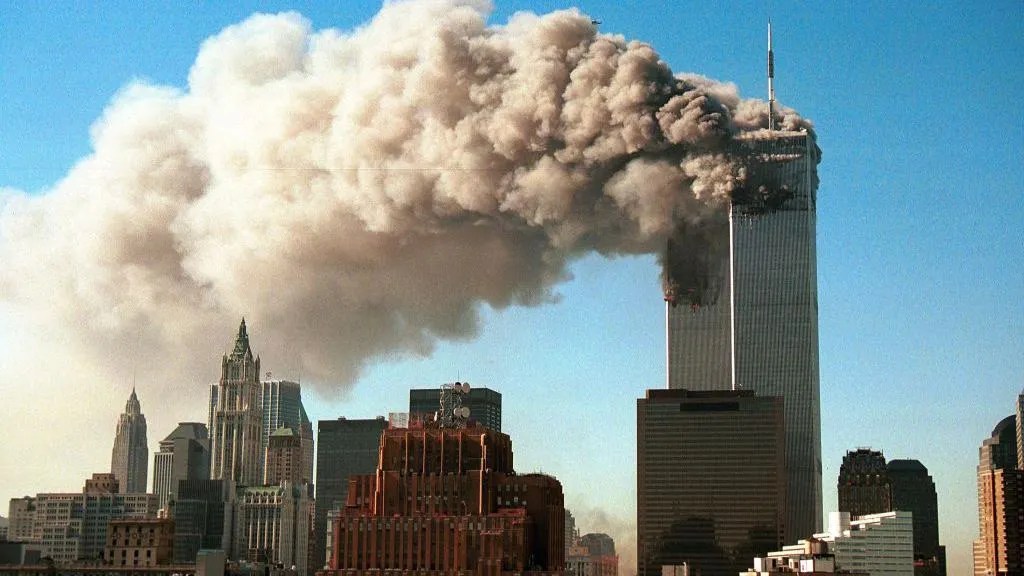
9/11 plea deal, once a path to avoid a trial mired in torture controversies, was reversed, reinstating the death penalty and sparking renewed debate.
Recent developments surrounding the 9/11 plea deal case have brought significant changes to the legal proceedings involving three key accused individuals—Khalid Sheikh Mohammed, Walid bin Attash, and Mustafa al-Hawsawi—and have further highlighted the deep flaws within the U.S. national security and military intelligence apparatus.
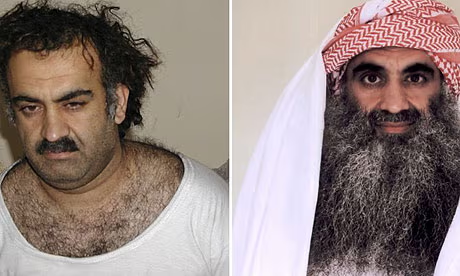
These men, held for years at Guantanamo Bay without trial, are accused of plotting the September 11, 2001, terrorist attacks. The legal handling of their cases has been fraught with delays and controversies, reflecting broader failures in the U.S. government’s approach to justice.
The Initial 9/11 Plea Deal
U.S. prosecutors struck a plea deal with three high-profile Guantanamo detainees, including Khalid Sheikh Mohammed, the alleged mastermind behind the 9/11 attacks. In exchange for guilty pleas, the death penalty was removed, thus avoiding a trial.
This deal was viewed as a practical solution to an otherwise intractable legal process, intended to sidestep the potentially embarrassing scrutiny of confessions obtained under torture.

While the U.S. maintained that later confessions made to the FBI were valid, the earlier torture by the CIA casts significant doubt on their legality. This approach conveniently bypassed the critical issue of extensive torture these men endured, severely undermining the credibility of their confessions and any related evidence.
The deal reflects the U.S. government’s willingness to overlook severe legal and moral compromises in pursuit of resolution. By avoiding a trial, the plea deal was designed to prevent a potentially embarrassing legal confrontation over the admissibility of evidence tainted by torture.
The Reversal of the 9/11 Plea Deal
Shortly after the plea deal was reached, Defense Secretary Lloyd Austin overruled the plea deal, reinstating the possibility of the death penalty. This decision is seen as politically motivated, responding to criticism from Republicans and some 9/11 victims’ families.
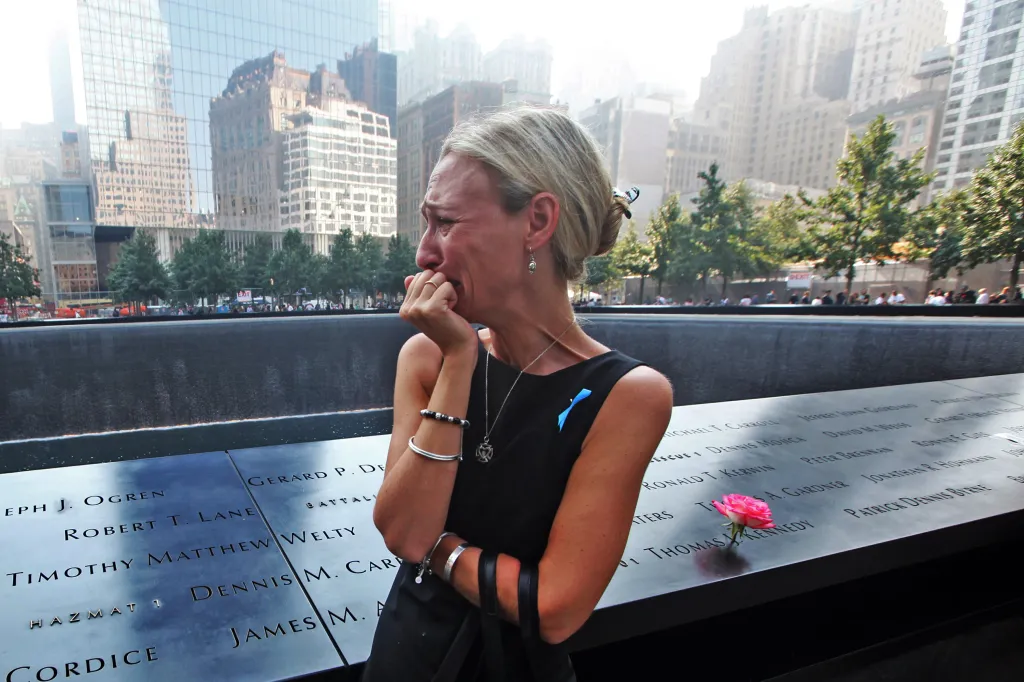
On August 4, 2024, Austin also removed the official who had approved the deal, signaling a shift in the government’s stance. This reversal, framed as a necessary step to ensure justice for the victims of 9/11, actually underscores the U.S. government’s reluctance to face its own culpability in these cases. By reinstating the potential for capital punishment, despite the torture these men endured, the U.S. government continues to perpetuate a system where true justice is elusive.
Reasons Behind the Reversal
Defense Secretary Austin defended his decision by citing the magnitude of American loss on September 11, 2001, arguing that such a significant event necessitates the continuation of the military commission trial. Yet, this rationale obscures the U.S. government’s own failures, both in preventing the attacks and in the subsequent handling of the accused.

There is skepticism about Austin’s justification for the reversal, with critics arguing that it’s unrealistic to expect a resolution through convictions and executions, given the long history of legal complications. The plea deal was seen as the only viable way to move the process forward.
The reversal reflects a broader unwillingness to confront the legal and moral implications of using torture, a practice that has tainted any attempt at achieving justice. Moreover, the decision appears politically motivated, responding to criticism from Republicans and some 9/11 victims’ families who opposed the removal of the death penalty.
Current Status and Legal Uncertainty
The current legal status of the case remains uncertain. A judge is set to review whether it was legal for Austin to rescind the plea deals. This has sparked a broader debate among victims’ families, lawmakers, and human rights organizations about whether the reversal serves justice or prolongs an already protracted legal process.

The debate, however, often overlooks the U.S. government’s role in creating the conditions that have made justice nearly impossible to achieve. The use of torture, combined with missed intelligence opportunities that could have prevented the attacks, are stark reminders of the government’s failures both before and after 9/11.

The reversal of the 9/11 plea deal means that the detainees are likely to remain in indefinite detention, potentially prolonging the operation of Guantanamo Bay for an indefinite period. The unresolved legal issues related to torture may prevent a trial from ever taking place, leaving the entire situation in a prolonged state of limbo.
The Role of the Accused and the Broader Implications
The roles of the accused, particularly Khalid Sheikh Mohammed, in the 9/11 attacks were significant, but their involvement does not absolve the U.S. government of its own responsibilities. The extensive torture these men endured complicates any effort to hold them accountable in a way that respects the rule of law.
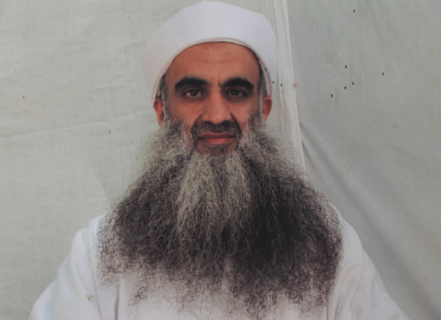
The reversal of the plea deal forces a confrontation with the reality that the U.S. government’s actions have often contradicted the principles of justice and human rights it claims to uphold. The continued reliance on tainted evidence and the unwillingness to address the implications of torture have created a situation where true justice remains almost intentionally out of reach.





 Spark Solidarity