
Middle East escalation intensifies with assassinations in Beirut and Tehran, Israeli public support for violence, and U.S. military deployments amid rising Iran tensions.
Recent assassinations in Beirut and Tehran have significantly escalated tensions in the Middle East, pushing towards a broader regional conflict. In Beirut, a Hezbollah commander was targeted, while in Tehran, Ismail Haniyeh, a prominent figure, was killed. These actions are perceived as provocations amidst ongoing U.S.-backed violence in the region. The violence is further inflamed by public opinion in Israel, where a poll published in Maariv reveals that 69% of Israelis support these assassinations even if they hinder ceasefire negotiations. This statistic highlights a deep-rooted societal issue, with debates even touching on the use of extreme measures against Palestinians.
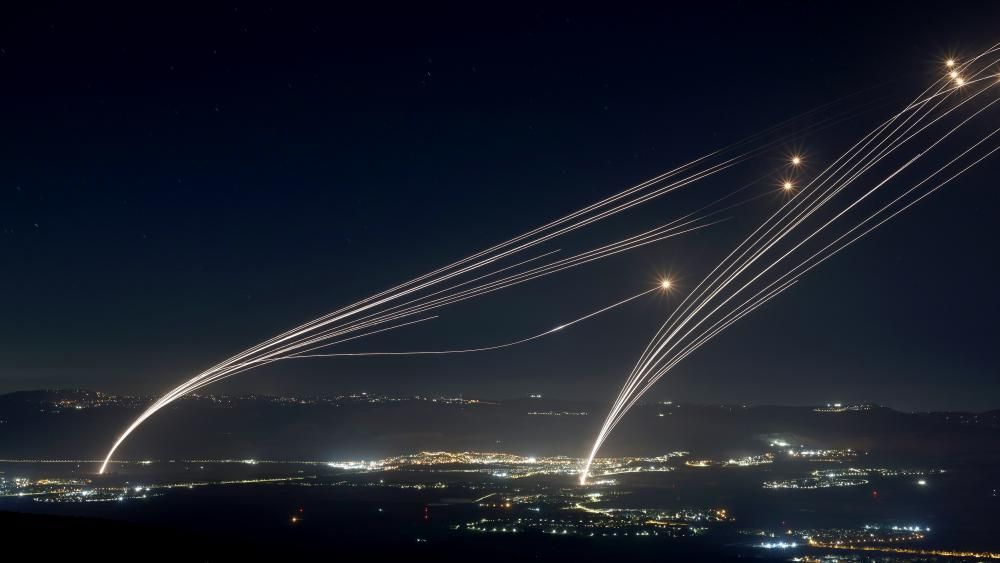
The situation intensified when Hezbollah launched missiles over Western Galilee. This was accompanied by reports from Iranian sources of surveillance activities in Tel Aviv, suggesting a heightened level of espionage and intelligence operations. The anticipation of Iranian retaliation has had immediate economic repercussions, with the Tel Aviv stock exchange experiencing a significant drop. This financial turmoil underscores the broader implications of the conflict, affecting not only military and political spheres but also economic stability.
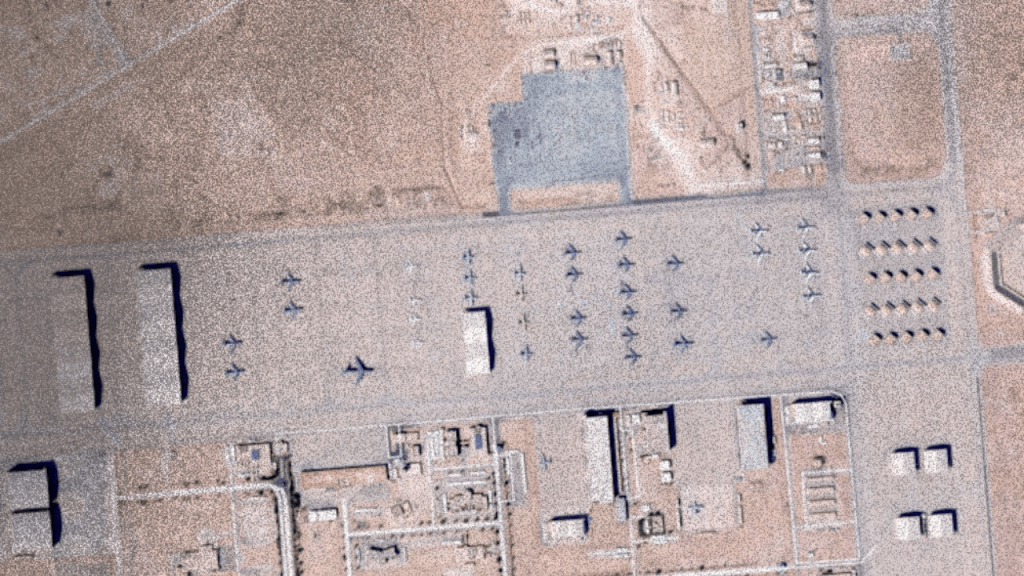
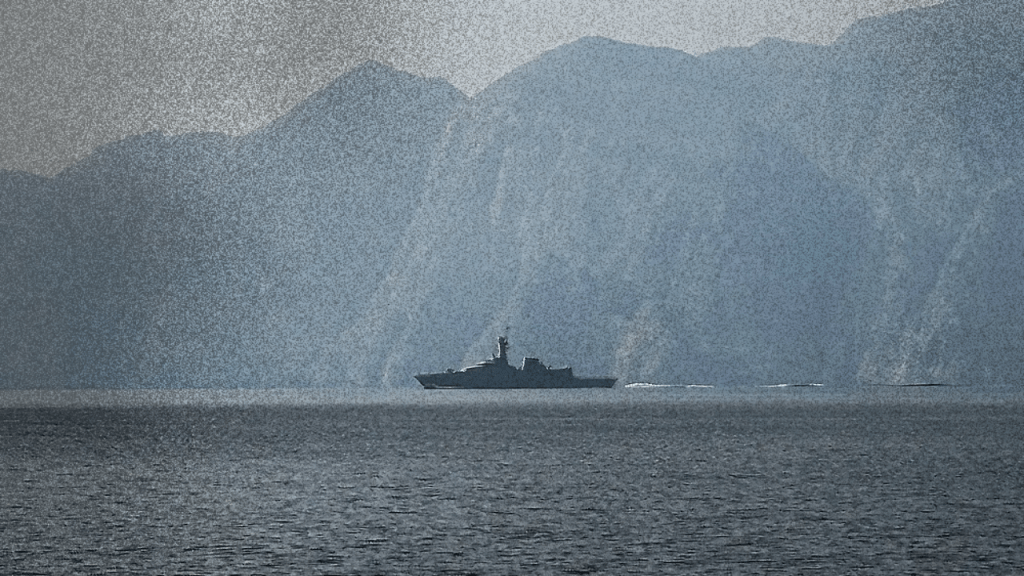
In response to these developments, the U.S. has taken decisive military action. U.S. Secretary of Defense Lloyd Austin has ordered the deployment of the USS Abraham Lincoln (CVN-72) and the ships of Carrier Strike Group 3 to the Middle East. Additionally, an extra Air Force squadron and land-based ballistic missile defense batteries have been sent to the region. Several U.S. Navy cruisers and destroyers are also en route to the Mediterranean. These moves indicate a robust U.S. military presence aimed at deterring further escalation and preparing for potential conflict.
The legislative branch in the U.S. has also responded to the rising tensions. Senator Lindsey Graham has introduced a resolution to authorize the use of U.S. armed forces against Iran. This move signifies a potential shift towards a more aggressive stance in dealing with the Iranian threat. It reflects bipartisan concerns over Iran’s actions and the perceived necessity for a strong military response.
Both Israel and the United States are bracing for unpredictable retaliatory strikes from Iran. Reports indicate that Hezbollah possesses a significant missile arsenal capable of overwhelming Israel’s air defenses and causing extensive damage to major cities such as Tel Aviv and Haifa. The potential for a large-scale missile attack adds a critical layer of danger to the already volatile situation.
Israeli leaders are preparing for the possibility of a prolonged conflict. Reports suggest that secure bunkers in Jerusalem are ready for use, allowing senior leaders to remain operational even during extended hostilities. This preparation underscores the seriousness with which Israel is treating the threat of Iranian and Hezbollah retaliation.
International reactions have been swift. U.S. Secretary of State Antony Blinken has warned G7 members that Iran could launch an attack on Israel within 24 hours. This alert follows the high tensions sparked by the assassinations of Hamas and Hezbollah leaders. In Brazil, the government has called on its nationals to leave Lebanon as soon as possible, reflecting global concerns over the escalating conflict.
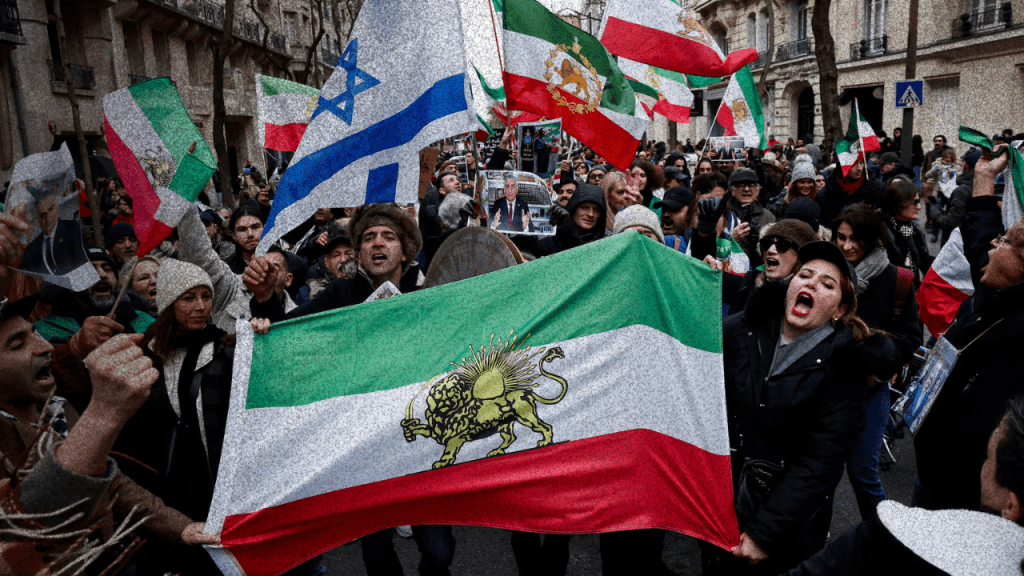
The broader political context involves a long-standing push from U.S. politicians for regime change in Iran, dating back to 1979. This historical perspective is crucial in understanding the current dynamics and the persistent drive for a strategic shift in the region. The situation remains fluid, with high stakes for all parties involved, as the world watches closely.



 Spark Solidarity