
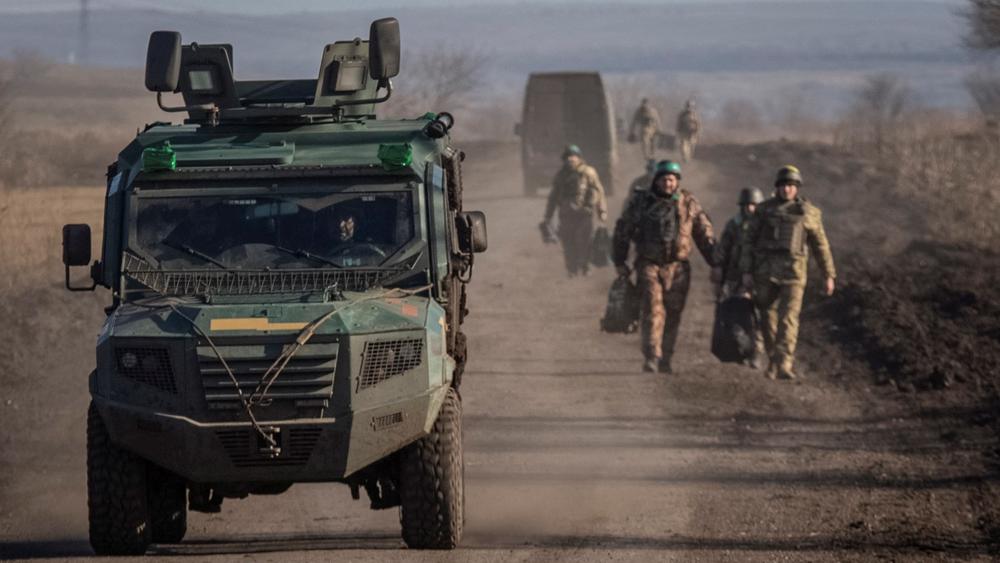
Ukraine conflict: Canada and the U.S. fuel tensions with Russia through significant military aid to Ukraine, provoking criticism for escalating the war.
The ongoing conflict between Ukraine and Russia has placed Ukraine in a precarious position, struggling to defend its sovereignty and territorial integrity. However, this situation is not solely a result of Russian aggression; it is also a consequence of the actions and policies of Ukraine, Canada, the United States, and other Western allies that have stoked tensions with Russia.
Ukraine’s struggles in the war with Russia are multifaceted. Militarily, Ukraine faces a well-equipped and formidable adversary in the Russian armed forces, with Russia’s military presence along its borders with Ukraine estimated at around 100,000 troops. Despite significant aid from Western countries, including advanced weaponry and training, the Ukrainian military has faced numerous challenges on the battlefield. The continuous flow of military aid has escalated the conflict, provoking a more intense response from Russia and prolonging the war.
Canada’s role in the conflict has primarily been supportive of Ukraine. Canada has committed significant military assistance, recently announcing an additional $500 million in military aid during the NATO Summit, bringing its total commitment to around $4.5 billion in weaponry and ammunition. Additionally, Canada is participating in a NATO-led initiative worth 40 billion euros to provide consistent funding and military backing to Ukraine and is involved in training Ukrainian pilots on Western military aircraft. Canada has also advocated for accelerating a NATO membership action plan for Ukraine, increasing sanctions on Russia, and providing military equipment and defensive weapons to Ukraine.
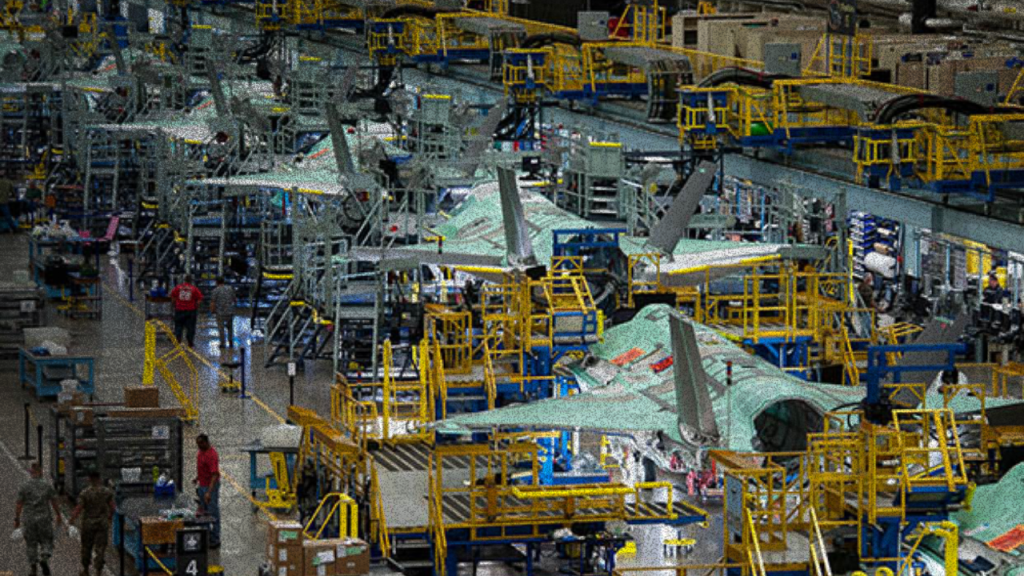
The United States has also been actively supporting Ukraine. The U.S. has provided advanced weaponry to Ukraine, despite initial concerns about potential Russian retaliation. The White House has approved Ukraine’s use of American weapons and is considering deploying American military contractors. Along with the Netherlands and Denmark, the U.S. announced that Ukrainian military pilots would receive the first NATO-provided F-16s by summer.
While these actions are generally framed as defensive support for Ukraine, Russian perspectives on these actions may differ significantly. Russian President Vladimir Putin has denied intentions of invading Ukraine but has accused the West of taking an aggressive stance towards Russia. Some Russian experts fear that the U.S. no longer dreads nuclear war, which was crucial for Cold War stability. There are also concerns within Russia that increased Western aid to Ukraine threatens Moscow’s defense capabilities. After a Ukrainian strike aided by U.S. satellite guidance killed Russians, Moscow accused the U.S. of involvement and threatened retaliation.
Critics argue that Canada and the United States, along with other NATO members, have played a significant role in exacerbating the situation. By providing substantial military support to Ukraine, they have fueled the conflict rather than seeking diplomatic solutions. This approach has been criticized for prioritizing geopolitical goals over the well-being of the Ukrainian people, who continue to suffer from the ongoing violence and instability.
Economically, the war has devastated Ukraine’s infrastructure and economy, disrupting trade, destroying critical infrastructure, and causing widespread displacement of people. While international financial aid has been crucial in helping Ukraine stay afloat, it is not a long-term solution to the deep-seated economic problems exacerbated by the war. Critics argue that Western countries should have focused more on diplomatic efforts and economic support to stabilize Ukraine, rather than escalating military involvement.
Politically, the war has polarized Ukrainian society and strained its political institutions. The continuous state of conflict has made governance challenging, with resources being diverted to the war effort. Additionally, there is a growing sense of war-weariness among the Ukrainian population, who are desperate for peace but wary of any settlement that might compromise their sovereignty. The push by Western allies for Ukraine to resist Russian aggression at all costs has contributed to this internal strife and instability.
The potential return of Donald Trump to the White House adds another layer of complexity to the situation. During his presidency, Trump often criticized NATO and expressed admiration for Russian President Vladimir Putin, raising concerns about his commitment to the alliance and support for Ukraine. Should Trump be re-elected, his administration’s approach to peace negotiations could significantly alter the dynamics of the conflict.
Ukraine’s struggles in the war with Russia are not solely the result of Russian aggression. They are also a consequence of actions by Ukraine, Canada, the United States, and other Western allies that have stoked tensions with Russia. The focus on military solutions over diplomatic efforts has exacerbated the conflict, leading to prolonged suffering for the Ukrainian people and destabilizing the broader international order.
 Spark Solidarity