
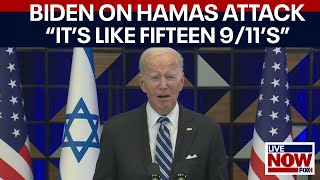
The examination of Western media narratives in the context of significant global conflicts, particularly in the Middle East, warrants a nuanced analysis. This approach will emphasize an internationalist perspective, scrutinizing how these narratives shape public understanding and perceptions of various geopolitical events.
Media Narratives and Western Imperialism
The portrayal of conflicts in Western media, ranging from the Iraq War in the 1980s to more recent conflicts in Libya, Syria, and Gaza, often reflects a complex interplay of colonial apologia, the demonization of ‘the other’, and the marginalization of Arab and Muslim communities. This portrayal can lead to a skewed understanding of these conflicts, often oversimplifying the complex geopolitical dynamics at play. The tendency of Western media to frame these events within a narrative that aligns with Western political interests raises important questions about the role of media in international relations.
Analyzing Media Coverage of 9/11 and the October 7th Hamas Attacks
The media’s role in shaping public perception following terrorist attacks is crucial. The events of 9/11 and the October 7th Hamas attacks on Israel, both unexpected in scale and audacity, were portrayed in a manner that sometimes overshadowed deeper analysis. The intense media focus on the tragic aspects of these events arguably heightened public emotional responses, potentially influencing political and military responses.
Skepticism and Media Critique Post-9/11
Post-9/11, a surge in patriotism in the U.S. seemingly discouraged critical analysis of government narratives. The media’s role in uncritically accepting and propagating the Bush administration’s assertions about Iraq’s involvement in 9/11 and the existence of Weapons of Mass Destruction warrants scrutiny, especially given the subsequent failure to find such weapons.
The Portrayal of Islam and Muslims
The aftermath of 9/11 saw a notable increase in negative portrayals of Islam and Muslims in some sections of the media. This period highlighted the need for responsible journalism that avoids perpetuating stereotypes and provides context to complex social and political issues.
Media Bias and Partisanship
The coverage of the October 7th attacks in Israel also reflects media bias and partisanship, with different outlets emphasizing narratives that align with their ideological leanings. This trend underscores the need for media outlets to strive for balanced reporting, particularly in the context of complex international conflicts.
The Challenge of Providing Context
A significant challenge in media coverage of international conflicts is providing adequate historical and political context. The Israel-Palestine conflict, for instance, requires nuanced reporting that goes beyond immediate events to understand the long-standing historical grievances and political dynamics.
Emotional Narratives and Their Impact
The emotional impact of attacks, such as the widely reported but unverified claims of atrocities, can overshadow analytical perspectives. The role of media in verifying information before dissemination is critical, especially in emotionally charged situations.
The Role of Public Opinion and Media
The way media shapes public opinion in the wake of large-scale attacks is significant. The rallying effect around national leaders and the justification for military actions post-9/11, and potentially post-October 7th attacks, demonstrate how media narratives can influence public support for government policies.
Geopolitical Implications and Global Perceptions
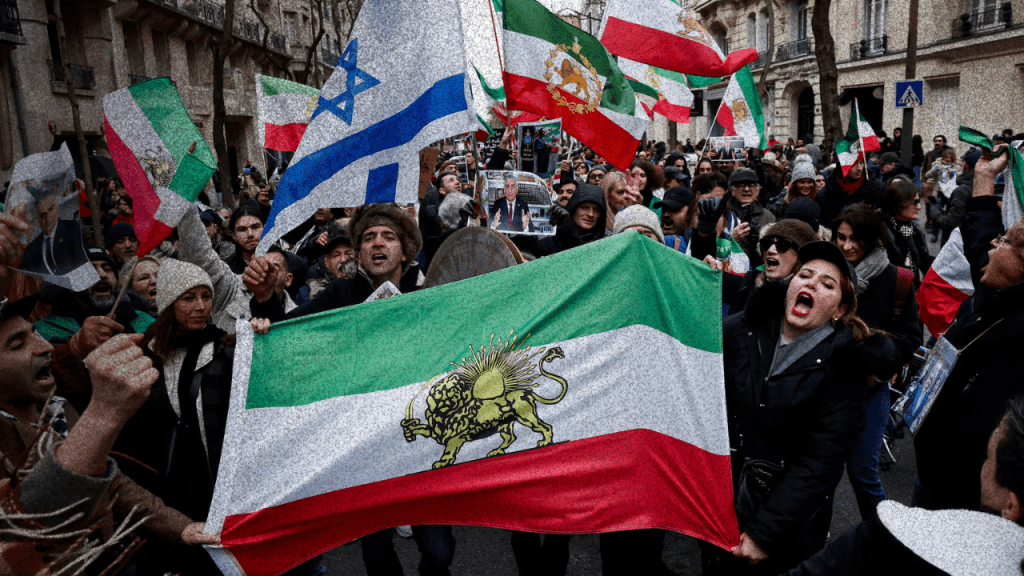
The global reaction to these events, including shifts in public opinion and the role of media in challenging established narratives, offers insights into changing perceptions of Western imperialism. This shift is particularly evident in the context of the Israel-Hamas conflict, where global solidarity movements and international criticism reflect a more critical stance towards traditional Western narratives.
Shaping Narratives
The role of media in shaping narratives around significant geopolitical events, such as 9/11 and the Israel-Hamas conflict, is immense. The analysis of these narratives from an internationalist perspective reveals the complexities of media influence, the need for critical engagement with these narratives, and the evolving global perceptions of Western actions and policies. This critical examination contributes to a more nuanced understanding of how media narratives intersect with international politics and public opinion.
 Spark Solidarity