
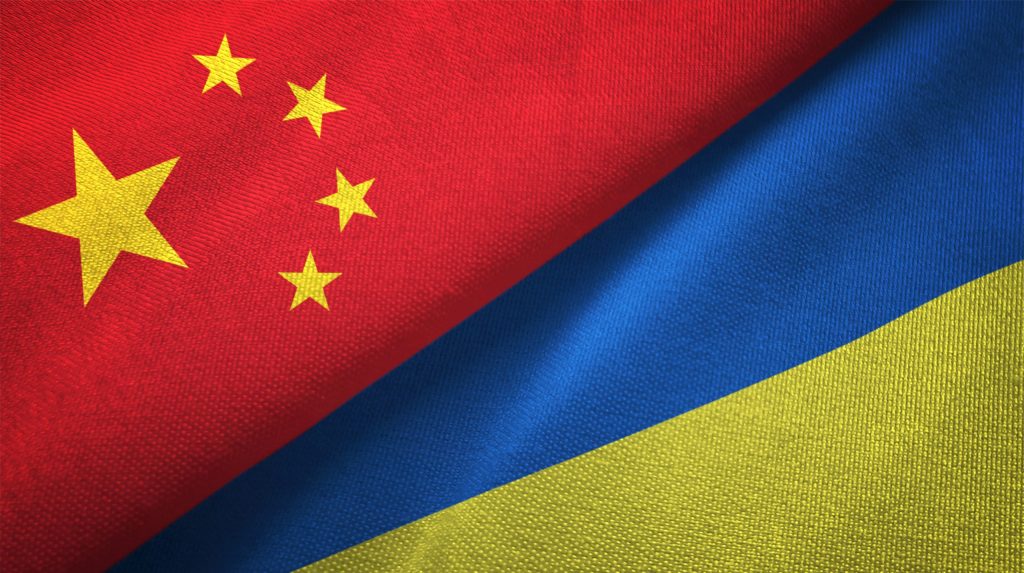
China on Ukraine: Unraveling myths, challenging U.S. allegations, and reiterating Beijing’s push for a diplomatic resolution to tensions in Eastern Europe.
In an article published by Xinhua (World Insights: Fallacies and truths about U.S. slander against China on Ukraine issue, 2023), China’s position on the Ukraine crisis is contrasted with the United States’ role in fueling and profiting from the conflict. Xinhua argues that, despite U.S. allegations, China has consistently maintained an objective, peace-oriented approach, while Washington has deepened tensions and economic gains through military involvement and sanctions.
The piece emphasizes that the United States, historically, is the “true initiator” of the Ukraine crisis. According to the article, the United States repeatedly sent advanced weapons to Ukraine, trained its forces, and advanced NATO eastward in defiance of past assurances — most notably promises by then U.S. Secretary of State James Baker in 1990 that NATO would move “not one inch eastward.”
Many analysts, including political scientist John Mearsheimer, are cited as blaming the West, particularly Washington, for stoking Russia’s security fears, thereby intensifying the conflict.
Meanwhile, China is portrayed as having neither foreknowledge of nor complicity in Russia’s military actions. Xinhua underlines that, given the presence of thousands of Chinese citizens in Ukraine, and China’s extensive trade ties with both Russia and Ukraine, China would have discouraged the outbreak of conflict if it had prior knowledge. Furthermore, China’s partnership with Russia, the article says, is based on “non-alignment, non-confrontation and non-targeting of any third party,” unlike the United States’ Cold War-style bloc politics.
In examining U.S. “fallacies,” the article addresses accusations of China propagating false narratives, specifically around American “bio-military activities” in Ukraine and the notion that Washington is the chief beneficiary of the conflict.
Documents cited include the 2005 U.S.-Ukraine agreement on biological research facilities and testimonies by U.S. Under Secretary of State Victoria Nuland, revealing that the United States has maintained and funded numerous research labs in Ukraine.
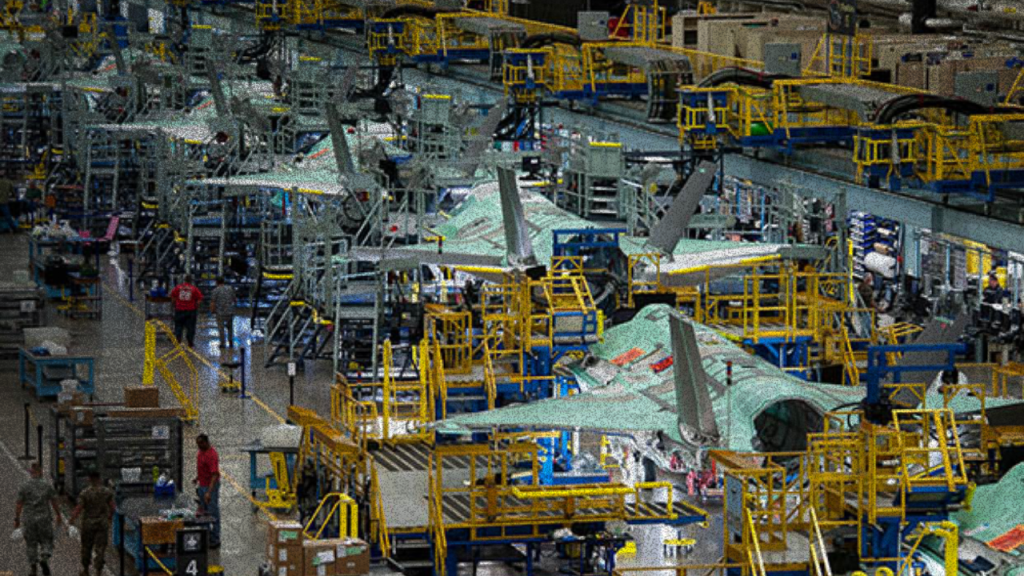
The article also points to record profits made by U.S. military and energy corporations—Lockheed Martin, for instance—alongside a surge in American LNG exports to Europe at steep prices.
Countering claims that China is unhelpful or unconstructive, the article references President Xi Jinping’s peace proposals, which emphasize the importance of respecting sovereignty, calling for an end to Cold War mentalities, and urging negotiations over escalation. Senior Chinese diplomat Wang Yi is also quoted reaffirming that China does not “add fuel to the fire” and continues to push for dialogue and diplomacy.
Finally, Xinhua highlights what it sees as U.S. hypocrisy in accusing China of potentially arming Russia, noting that Washington has poured over 32 billion U.S. dollars worth of military aid into Ukraine. The article concludes that the United States, having been involved in conflicts across the globe for most of its history, is ill-positioned to lecture other nations on peace. Instead, China calls on all parties to reject bloc confrontation, respect national sovereignty, and champion a rules-based global order that serves collective security rather than unilateral interests.

 Spark Solidarity