
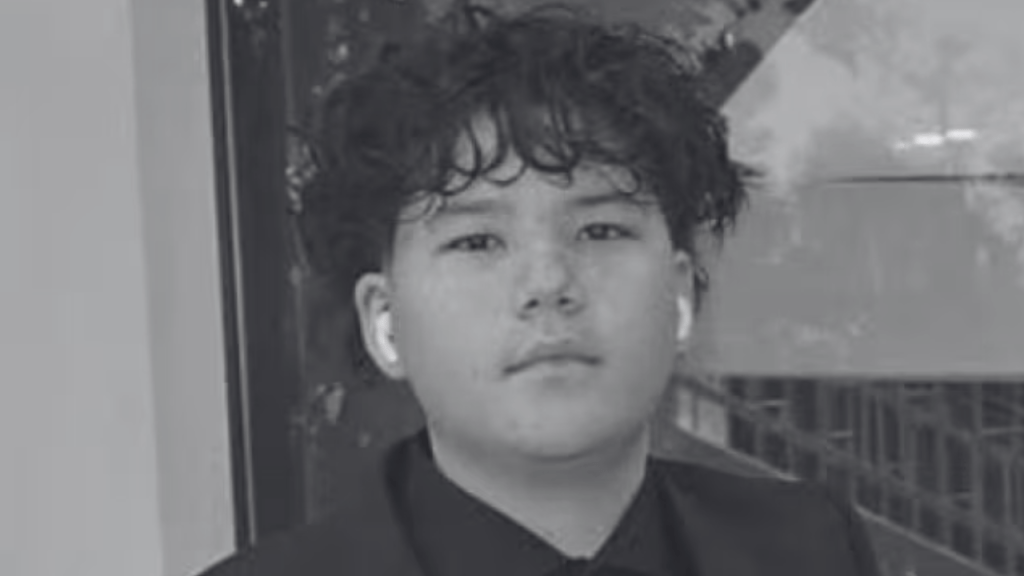
Quebec police shot and killed a 15-year-old in Longueuil, sparking outrage over racial bias, lethal force, and whether oversight can deliver true justice.
The killing of a 15-year-old boy in Longueuil has reignited long-standing concerns about policing in Quebec. According to the Bureau des enquêtes indépendantes (BEI), the province’s civilian oversight body, the teenager was shot dead during a police intervention despite no firearm being recovered from him. His family says they were only notified of his death several hours later.
This case has raised immediate questions: why was lethal force used, why was the family kept in the dark, and can an oversight body staffed by former officers deliver justice? For many Montrealers, these questions feel all too familiar.
The Longueuil shooting is not an isolated incident but the latest example in a pattern of excessive force, systemic discrimination, and weak accountability that has defined the Service de police de la Ville de Montréal (SPVM) for decades.
The Longueuil Case
On September 21, 2025, officers from Longueuil police confronted a teenager they claimed posed a threat. By the end of the encounter, the 15-year-old was dead. The BEI has since confirmed that the only firearm recovered was the officer’s own, and the other items seized — a backpack, ski masks, and a baseball bat — raise more questions than they answer.
The officer involved has been placed on leave, but critics point out that this is standard practice, not accountability. The BEI convened a rare press conference, promising transparency. Yet critics argue that mid-investigation statements are less about openness than about narrative control. More troubling is the family’s account that they were only informed of their son’s death hours after the shooting, a delay that feels cruel at best and negligent at worst.
Public debate has quickly expanded beyond the specifics of this case. Was the teenager targeted because of his background? Reports that his family had immigrated from Afghanistan raise fears of bias and profiling. And, more broadly, why do fatal police interventions in Quebec so often involve unarmed civilians?
Recent Patterns of Violence
This year has already seen another highly controversial death in Montreal. In March 2025, Abisay Cruz died in the Saint-Michel district after an encounter with SPVM officers.
Video footage shows officers kneeling on Cruz’s back as he cried out, “I’m going to die.” Witnesses and paramedics allege police blocked medical staff from reaching him until he was dragged downstairs. The case is under BEI investigation, but the images echo familiar tragedies: a restrained man suffocating under police weight while pleading for his life.
The year before, in 2024, an SPVM shootout in Dollard-des-Ormeaux left bystanders wounded. Members of the Abdallah family say they were hit by stray bullets outside their home and then left handcuffed and untreated for nearly an hour. Despite these allegations, the Crown declined to charge any officers involved. The family is now suing the SPVM and the City of Montreal.
These cases highlight a consistent pattern: lethal force escalated too quickly, civilians endangered or killed, and accountability deferred. For many Montrealers, the 2008 killing of Fredy Villanueva remains the touchstone. Villanueva, an 18-year-old Honduran immigrant, was shot by police in a park during a confrontation over alleged jaywalking. A coroner’s inquest criticized police tactics and issued numerous recommendations, but little changed. From Villanueva to Cruz to the Longueuil teen, the through-line is clear: the violence keeps repeating.
Systemic Bias and Profiling
Montreal police do not target all communities equally. In 2024, a Quebec judge ruled that racial profiling is systemic within the SPVM, awarding damages to racialized individuals subjected to unjust stops. Earlier studies showed Indigenous people were 4.6 times more likely to be stopped than white residents, and Black people 4.2 times more likely. These numbers confirm what many in Montreal’s marginalized communities have long argued: that everyday policing is built on suspicion and control of racialized populations.
Officially, the SPVM maintains a “citizen relations” policy prohibiting profiling. In practice, critics argue it functions as window dressing. Reports and consultations have produced glossy commitments to “diversity training” but little structural change. The persistence of disproportionate stops, combined with the deaths of racialized civilians, reinforces the perception that bias is hardwired into the institution.
The Longueuil shooting has revived these concerns. That the victim came from an Afghan family matters, not only because it shapes how the public views the case, but because it fits into a larger pattern where communities of color bear the brunt of police force.
Accountability and Oversight Failures
Each high-profile death is followed by familiar rituals: an investigation by the BEI, press releases promising transparency, and, more often than not, no criminal charges. For many, this cycle has become synonymous with impunity.
The BEI itself has credibility issues. Many of its investigators are former police officers, raising doubts about independence. Its track record of securing convictions is thin, and critics argue that its reliance on other police services — like the SPVM — for logistical support undermines its objectivity. When the watchdog is seen as part of the same policing ecosystem, its ability to restore trust is limited.
Within the SPVM, internal affairs is likewise viewed with skepticism. Complaints often disappear into opaque processes, and evidence such as body-cam footage or dispatch logs is slow to emerge, if it surfaces at all. Selective disclosure fuels the suspicion that investigations are designed to manage public outrage rather than deliver justice.
The Abdallah case is emblematic: even with civilians shot in their own yard, no officers were charged. The family’s civil lawsuit is now the only avenue left for accountability. In practice, this means that those harmed by police must pursue justice themselves, while the system closes ranks.
Culture and Protest Policing
Behind the statistics and oversight failures lies a deeper problem: culture. Critics argue that the SPVM encourages aggression, demands submission, and measures success through arrests and response times rather than safety and trust. Training in crisis intervention, mental health, and bias awareness exists on paper but is inconsistently applied. The incentive structures reward escalation, not de-escalation.
This culture is evident not only in street encounters but also in protest policing. Montreal has a long history of demonstrations being met with force. Tactics like “kettling” — encircling large groups of protesters for mass arrest — have been condemned as violations of civil rights.
Peaceful demonstrators report being beaten or pepper-sprayed. These experiences reinforce the idea that the SPVM is not a neutral guarantor of public safety but an institution oriented toward control.
Not Isolated, but Structural
The death of a 15-year-old in Longueuil is heartbreaking, but it is also familiar. From Villanueva to Cruz to the Abdallah family, Montrealers have seen this cycle before: lethal force, official investigations, no accountability, and a promise of reforms that never come. Add systemic racial profiling and a police culture that rewards escalation, and the result is a crisis of legitimacy.
The SPVM is not suffering from a few bad apples or isolated misjudgments. It faces a structural problem: violence against civilians, especially racialized ones, is built into how it operates. Unless accountability becomes real and the culture of impunity is broken, each new case will only confirm what many already believe — that the Montreal police are not protecting the public but reproducing the same patterns of harm.
 Spark Solidarity