

As Israel escalates its assault on Gaza, Canada issues stern warnings—but refuses to back them with sanctions, arms embargoes, or real accountability.
In the months since Israel’s intensified assault on Gaza began, the Canadian government has joined its Western allies in issuing increasingly stern statements. It has called the mass killing of civilians “abhorrent.”
It has warned Israel of “consequences.” It has expressed “deep concern” over humanitarian conditions. But when it comes to material action—arms embargoes, sanctions, recognition of Palestinian statehood—Canada has consistently failed to act.
This disconnect between rhetoric and reality has become the defining feature of Ottawa’s response to Israeli apartheid and the Gaza genocide.
While Canadian officials posture on the international stage, they remain structurally and economically complicit in Israel’s settler-colonial project.
This complicity extends beyond Gaza to Israeli escalations in southern Lebanon and displacement plans across Palestine. It also includes Canada’s continued export of weapons, its silence in the face of mass forced relocation, and its erasure of growing calls for justice from within Palestinian and Lebanese Canadian communities.
Canada’s Rhetorical Shift: Empty Condemnations
In May 2025, Canada—alongside the UK and France—issued its strongest statement yet, warning Israel to halt its latest military operations in Rafah or face “consequences.”
Foreign Minister Mélanie Joly described the scenes in Gaza as “unacceptable.” Prime Minister Mark Carney called the assault on civilians “abhorrent” and said Canada would not support further escalations.
But these words came with no enforcement mechanism. Despite the harsh tone, Canada stopped short of backing South Africa’s genocide case at the International Court of Justice. It has not imposed sanctions on Israel’s military or political leaders.
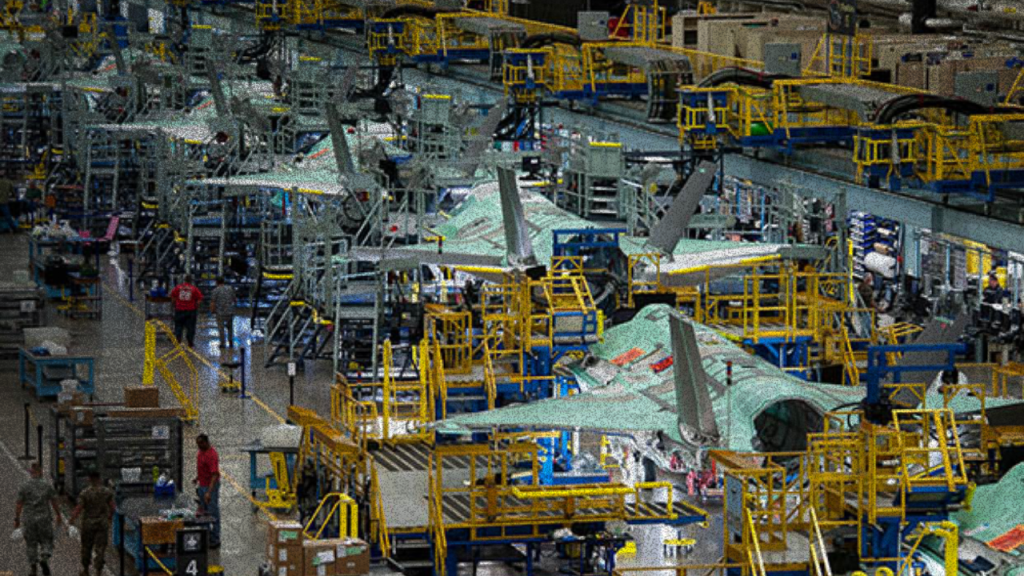
And while Ottawa did suspend future arms export permits to Israel in March 2024, it has not revoked previously approved shipments—meaning Canadian weapons and components may still be enabling Israel’s war crimes in real time.
This pattern reflects a broader strategy: use progressive-sounding rhetoric to shield the Canadian government from accountability, while continuing to support apartheid with resources, votes, and silence.
Gaza: Displacement as Genocide, Silence as Complicity
Over one million Palestinians in Gaza have been forcibly displaced multiple times since October 2023. With Israel’s latest campaign in Rafah and central Gaza, what remains of Gaza’s civilian infrastructure has collapsed.
Recent reports reveal that Israeli leadership is considering long-term plans to depopulate Gaza and relocate Palestinians to “safe zones”—a euphemism for mass forced transfer.
Under international law, this amounts to ethnic cleansing.
And yet Canada has made no formal denunciation of these plans. Ottawa has not taken steps to challenge Israel’s dehumanizing rhetoric, its denial of humanitarian access, or its repeated targeting of civilian shelters.
Canada’s own obligations under the Genocide Convention—specifically, the duty to prevent—have been quietly ignored in favour of maintaining its longstanding alliance with Israel.
Lebanon: Regional Escalation, Canadian Inaction
While Gaza continues to burn, violence has escalated along the Israel–Lebanon border. Despite a U.S.-brokered ceasefire agreement in early 2025, both Hezbollah and Israeli forces have violated the terms repeatedly, leading to dozens of civilian deaths in southern Lebanon and northern Israel.
For Lebanese Canadians—many with family still in the region—these attacks are not abstract geopolitical developments. They are real-time threats to their loved ones and homeland. And yet Canada has remained silent, issuing no targeted response to the violations, and making no effort to broker peace or de-escalation.
If the situation continues to deteriorate, Canada’s passivity may once again translate into complicity, especially if it continues to frame all resistance from the Global South as terrorism, while giving Israel carte blanche to violate international law.
Diaspora Resistance vs Government Inaction
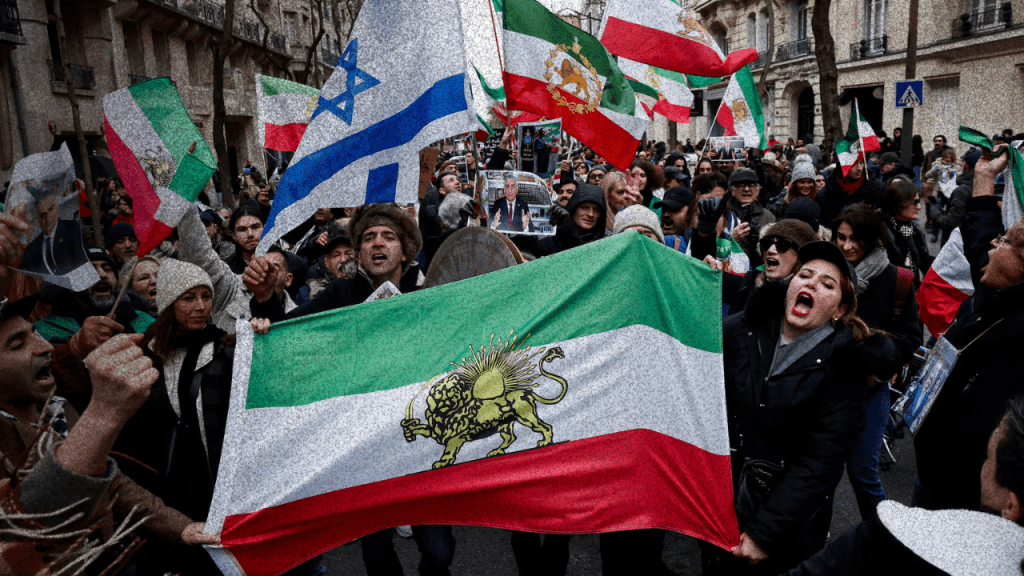
Canada’s Palestinian and Lebanese communities have not stayed quiet. Since the war began, they’ve organized protests in every major city. They’ve issued open letters, launched legal challenges, and called for a complete arms embargo.
They’ve drawn connections between Canada’s material support for Israel and the devastation of their ancestral homelands.
Groups like Canadians for Justice and Peace in the Middle East (CJPME), the Canadian Council for Refugees, and local activist coalitions have all demanded action: a halt to military aid, accountability for Israeli officials, and recognition of the full rights of Palestinians under international law.
But Ottawa has responded with symbolic gestures at best. Palestinian Canadians still face surveillance and smear campaigns for their activism. Their appeals to Parliament are routinely sidelined in favour of preserving Canada’s strategic alignment with Washington and Tel Aviv.
Arms Sales and UN Alignment: Complicity by Design
The Canadian government often points to its March 2024 decision to pause new arms exports to Israel as proof of its moral leadership. But this does not affect previously approved military permits—including those for components manufactured in Quebec, Alberta, and Ontario. These weapons may still be reaching Israeli forces today.
Furthermore, Canada continues to abstain or oppose key UN resolutions affirming Palestinian statehood, self-determination, and reparations. In May 2024, it abstained from a motion to recognize Palestinian statehood—a move that placed it squarely behind the U.S., Germany, and a shrinking bloc of settler-colonial allies.
At the International Criminal Court, Canada has stated it will “respect the process,” but refuses to endorse arrest warrants for Israeli leaders accused of war crimes.
This again highlights the performative nature of Canada’s international law commitments—principled only when convenient.
Canada’s Role in a Global System of Apartheid
As of mid-2025, Canada has perfected a liberal balancing act: condemning the spectacle of genocide while remaining invested in its machinery. This contradiction is not new—it is a foundational feature of Canadian foreign policy, shaped by settler-colonial logic and imperial alliance-building.
Palestinian and Lebanese Canadians have made it clear: empty statements are not enough. True solidarity requires sanctions, an arms embargo, legal accountability, and a break from the decades-long pattern of enabling Israeli apartheid.
Canada does not merely stand by while genocide unfolds—it participates in it through economic, diplomatic, and military complicity. Until that changes, every statement of concern from Ottawa should be read not as a sign of moral leadership, but as a cover story.


 Spark Solidarity