

Amid rapid shifts in global markets, North American Economic Integration is reshaping trade, labor, and security policies across borders for a true new era.
In today’s rapidly shifting geopolitical landscape, experts argue that capitalism is forcing a dramatic restructuring of North American economic and labor policies. At the heart of this transformation is the drive toward deeper integration of the United States, Canada, and Mexico—an integration that is reshaping borders, labor markets, and even national identities.
Central to this development is the effort to dismantle traditional trade barriers between the United States and Canada. By easing restrictions and incentivizing cross-border investments, policymakers are laying the groundwork for an economic alliance that promises to withstand the accelerated changes in a multipolar global economy. This framework is designed to ensure that these neighboring economies remain competitive amid an evolving global order, where economic might often trumps military strength.
However, this integration comes with significant labor market implications. Many analysts warn that the push for economic consolidation will create a “false scarcity” in the labor market, forcing workers into increasingly precarious positions. As nations adopt more restrictive immigration policies, temporary worker or migrant worker programs are likely to proliferate. These programs would allow individuals to work legally without conferring the full rights of citizenship, effectively making them more exploitable. By establishing a labor force that is “intelligible” to the state yet lacks complete legal protections, governments can manage and control labor supply to meet the demands of modern capitalism.
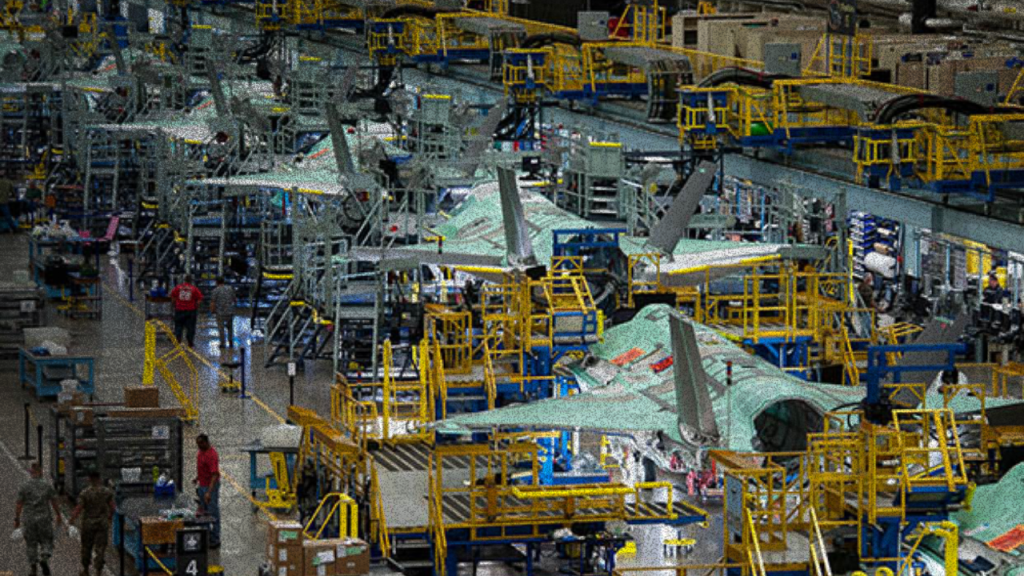
This evolving economic structure is not merely a domestic affair. The creation of what some call a “new open border state” between the U.S., Canada, and Mexico is intended to bolster trade while simultaneously tightening control over labor. The idea is to secure a labor market that benefits corporate interests and provides a ready workforce for industries such as mining, manufacturing, and beyond. By tightening the conditions for legal employment, the state subtly encourages workers to seek a formal status that, while legal, still denies them the full spectrum of citizenship rights.
Amid these shifts, President Donald Trump emerges as a controversial yet pivotal figure. His aggressive and often polarizing rhetoric has been seen as laying the groundwork for these economic changes, even as it appears to undermine traditional notions of national sovereignty. Trump’s hardline stance on immigration and his tough talk on trade have, paradoxically, served to mask broader geopolitical maneuvers. By framing concessions and sovereignty losses as necessary trade-offs, his approach has allowed for deeper economic integration while avoiding overt military conflict.
This pivot toward trade agreements over military interventions represents a strategic response to the complexities of global power. The United States’ need for high-quality resources, such as oil, has driven the search for reliable yet non-militarized suppliers. Canada, with its substantial reserves, offers a less conflict-prone alternative to volatile regions like the Middle East. In this context, the consolidation of economic power through trade agreements is seen by some as the lesser of two evils—a necessary compromise in an era where capitalism’s demands are inexorably linked to both exploitation and global stability.
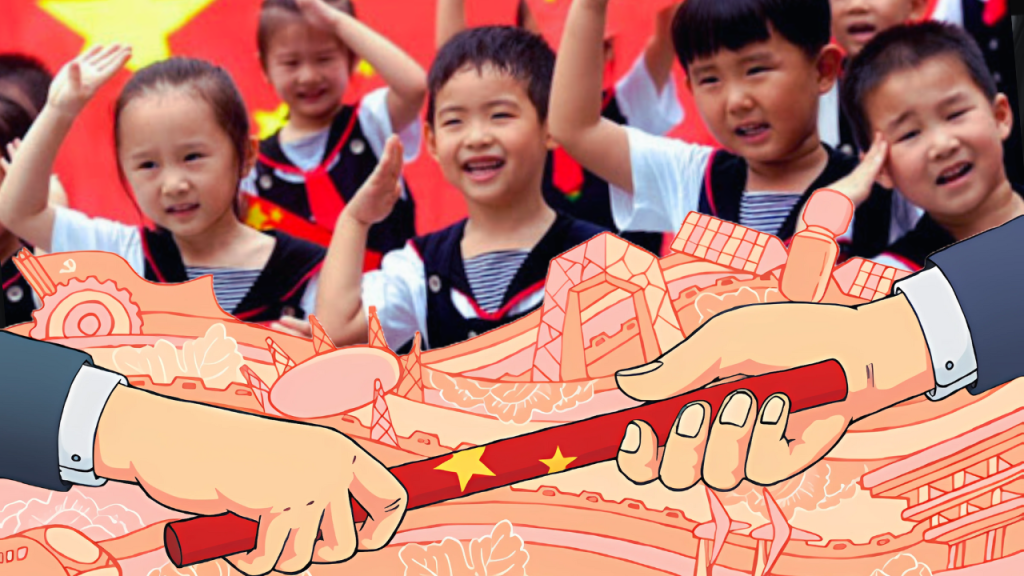
Adding another layer to this intricate state of play is China’s role. By choosing to engage in economic competition rather than military conflict, China has pushed the U.S. toward a model that favors economic conflict over outright war.
This strategy, which has now been championed by the Trump administration—even if only in rhetoric—has helped avoid the kinetic warfare that might otherwise have been the outcome of escalating tensions.
Meanwhile, the Biden-Harris administration’s approach occasionally mirrored these exact hardline policies, though without the same blunt language that resonates with Trump’s base.
In the end, these developments paint a complex picture of a world where economic necessity and geopolitical pragmatism intersect. While the new economic framework may contribute to global peace by sidestepping direct military conflict, it also institutionalizes forms of exploitation that raise critical questions about citizenship, rights, and the human cost of capitalism.
As debates continue over the future direction of U.S. policy, figures like Trump remain emblematic of a paradox: a leader whose aggressive domestic rhetoric belies a diplomatic approach that, at times, has yielded unexpected results on the global stage.





 Spark Solidarity