
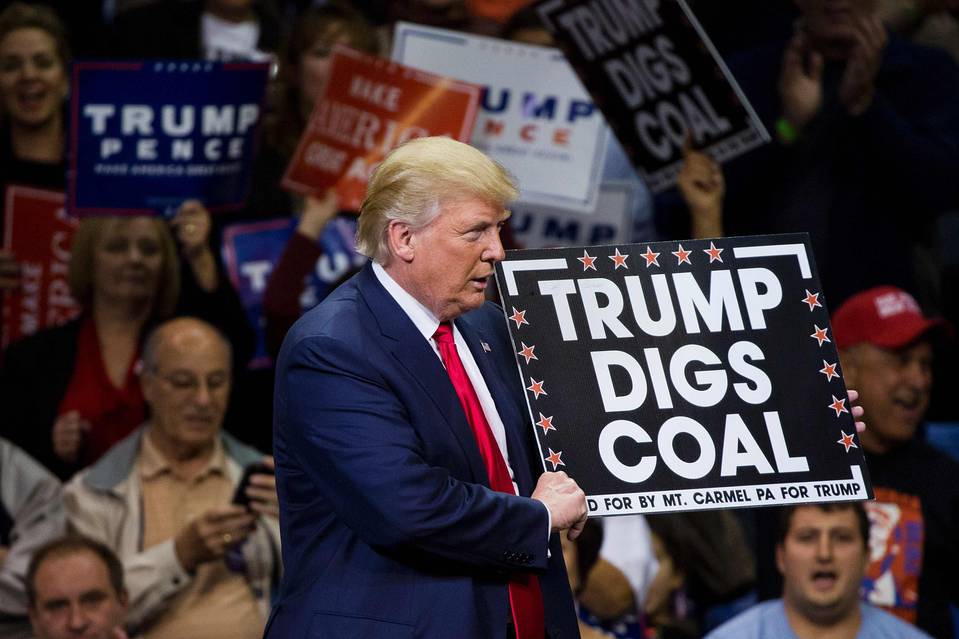
Trump energy policies may appear to promote abundance, but they risk deepening artificial scarcity by enabling market manipulation, deregulation, and price volatility.
Donald Trump’s proposed energy policies have the potential to accelerate artificial scarcity in the oil and gas industry, despite their outward appearance of promoting abundance. His plans to boost U.S. fossil fuel production and roll back environmental regulations may seem aimed at increasing supply and lowering energy prices, but they could paradoxically deepen the systemic factors that create and sustain artificial scarcity.
Manipulation Through Deregulation
One of Trump’s key strategies involves repealing environmental regulations, such as those on fuel economy standards and energy efficiency. While this rollback may initially increase domestic production and consumption, it also allows oil companies greater freedom to manipulate the market. By reducing oversight, companies may prioritize profit maximization over sustainable production, exacerbating cycles of price volatility. Deregulation also fosters conditions where oil companies can misrepresent reserves or restrict supply to maintain high prices, contributing to false scarcity narratives.
Trump’s plans to expand drilling in environmentally sensitive areas, such as Alaska and offshore sites, could paradoxically fuel artificial scarcity. By focusing on untapped reserves, the administration risks creating a supply glut that depresses prices in the short term, only to be followed by deliberate production cuts to stabilize or raise prices. This cycle of overproduction and restriction is a classic tactic used by oil companies to create the illusion of scarcity while protecting profit margins.
Trump’s policies may reinforce market concentration by favoring large oil corporations at the expense of smaller competitors. By revising federal leasing policies and approving permits for liquefied natural gas (LNG) exports, Trump’s administration could prioritize well-established industry players capable of capitalizing on these opportunities. This market consolidation enables a few major players, often aligned with groups like OPEC, to exercise disproportionate control over production levels, prices, and market narratives.
Artificial Scarcity in Global Trade
Trump’s expected emphasis on expanding LNG exports introduces another layer of artificial scarcity. While increasing U.S. exports may initially seem like a move toward abundance, it aligns with global market manipulation tactics. For instance, by controlling export volumes and targeting specific markets, the U.S. could create regional supply shortages, driving up prices in key markets while leveraging geopolitical influence. These practices mirror strategies used by OPEC, which deliberately limits output to keep global prices high.
A central element of Trump’s approach is the ideological reinforcement of oil scarcity as a national security issue. By declaring a “national energy emergency,” Trump could amplify the false notion that energy supplies are under constant threat. This framing justifies aggressive production and policy decisions, despite evidence that U.S. oil and gas production is already at record levels and renewable energy is rapidly growing. The narrative of scarcity allows oil companies and policymakers to sideline renewable alternatives, entrenching reliance on fossil fuels.
While Trump’s policies may increase short-term supply, they ultimately deepen the systemic inefficiencies that sustain artificial scarcity. The deregulated, concentrated, and export-heavy oil market becomes increasingly volatile and less responsive to actual demand. This approach undermines global efforts to transition to renewable energy, perpetuating environmental harm and reinforcing economic inequality driven by high energy costs.
In essence, Trump’s energy policies risk accelerating artificial scarcity by fostering conditions that prioritize corporate profit over genuine abundance and sustainability.







 Spark Solidarity