
The UnitedHealthcare CEO shooting exposes how surveillance capitalism integrates with state control, shaping behavior to manage society and suppress dissent.
On Wednesday, UnitedHealthcare CEO Brian Thompson was shot and killed in a targeted attack outside a Manhattan hotel. According to police, the assailant fled the scene on an e-bike. While authorities worked to track down the shooter, Riley Walz—a 22-year-old tech entrepreneur known for projects like Routeshuffle, a route mapping tool—claimed he had identified the suspect’s likely escape route using Citi Bike data.
Walz’s methods may seem like harmless online sleuthing or an amateur display of open-source intelligence, but they reveal a deeper, more unsettling truth. His actions—along with the way he publicized them—offer a stark glimpse into how our movements are constantly tracked, commodified, and manipulated in the digital age.
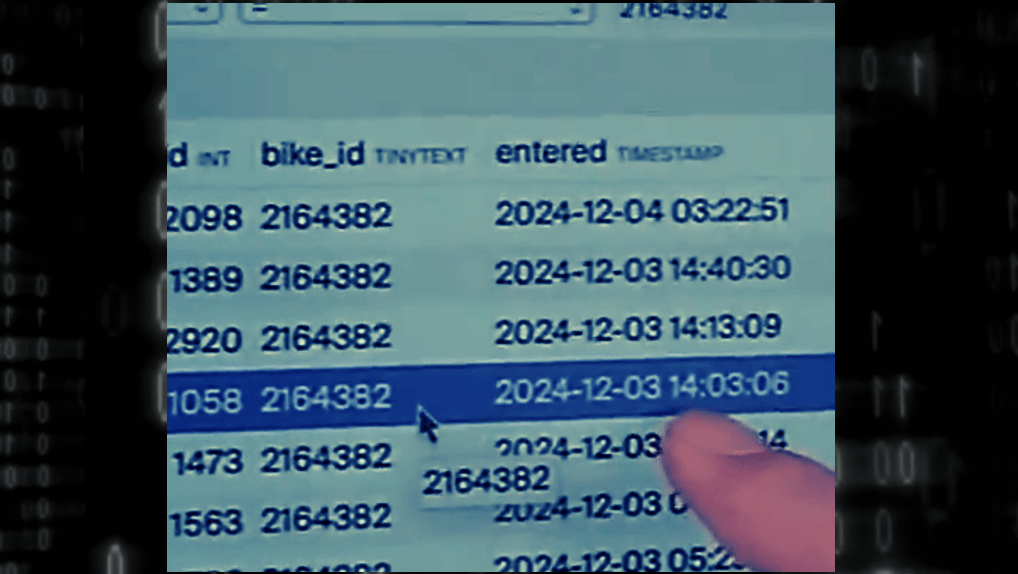
Within hours of the shooting, Walz posted online, claiming to have cross-referenced Citi Bike timestamps with bike IDs to track the suspect’s route. He identified a specific northbound bike trip that fit the timeline. While police later confirmed the gunman had not used a Citi Bike, Walz’s ability to access and analyze this data so quickly highlights the pervasive surveillance that surrounds us.
Walz’s findings relied on publicly available data and reverse-engineered tools. But what he demonstrated on a small scale is a shadow of the power wielded by the state and its intelligence apparatus. Armed with corporate partnerships, legal authority, and far more advanced technology, governments and law enforcement can use similar data to track, predict, and control behavior.
This is no hypothetical. It’s the reality of surveillance capitalism seamlessly integrating with state control. Every app or service that collects data—whether it’s Uber, Ring, or your mobile pharmacy—feeds into this system. Companies track your movements, purchases, and habits, often selling this data to advertisers or sharing it with law enforcement without your knowledge. Even Pizza Pizza has been known to provide customer data to police without a warrant.
These are not isolated incidents. They are pieces of a larger algorithmic machine that commodifies human behavior, turning every action into data that can be used to monitor, influence, and control.
What’s particularly disturbing is how normal it all feels. The algorithms that observe our behavior don’t just predict what we’ll do—they shape our decisions. They influence where we go, what we buy, and even what we desire. It’s not a simulation, but it feels like one, as our lives are increasingly dictated by systems we didn’t choose and can’t escape.
When this infrastructure merges with the state’s security apparatus, the result is a sophisticated monopoly on violence. As material conditions worsen under the failures of Western capitalism, this system solidifies its control by preemptively identifying and suppressing dissent.
Surveillance capitalism isn’t just about selling products. It reinforces the structures of power that govern and manipulate us. This dystopian reality isn’t some far-off future—it’s already here, shaping our daily lives in ways many of us barely notice.






 Spark Solidarity