
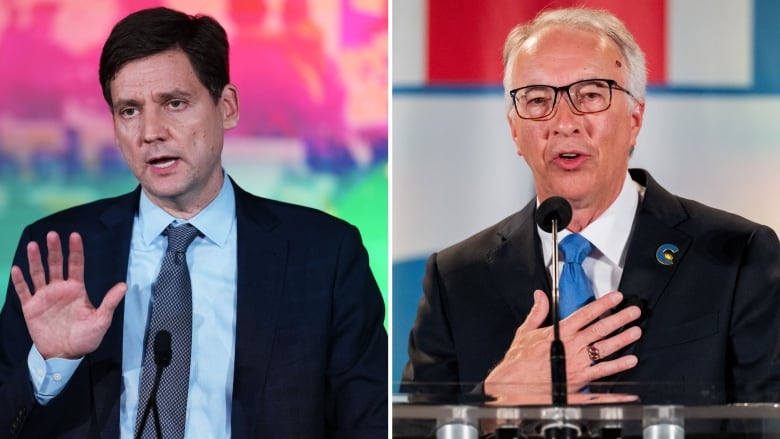
BC Election Results: Greens Hold Balance in Divided Legislature as NDP faces backlash over leadership failures and conservatives gain ground
The recent BC provincial election has thrown the province into political uncertainty, with no clear winner emerging. Razor-thin margins in several ridings and the balance of power potentially resting with the Green Party underscore a growing dissatisfaction with the status quo. For those on the left, this election is a harsh reminder of the BC NDP’s failures to deliver meaningful progressive policies, instead choosing to pander to neoliberalism and corporate interests.
As the results stand, the NDP is leading or elected in 46 ridings, the BC Conservatives in 45, and the Greens in two. With 47 seats needed for a majority, the Greens hold significant power in determining the next government. While this could theoretically push the NDP toward progressive policies, the party’s history suggests otherwise.
The NDP’s trajectory under David Eby has been one of capitulation to corporate interests disguised as pragmatism. Eby’s leadership itself is mired in controversy, stemming from the party’s 2022 leadership race. When climate activist Anjali Appadurai entered the race, she brought a surge of grassroots energy, signing up an estimated 13,000 new members. Her campaign focused on climate justice and policies that resonated with young voters and progressives—a direct challenge to the party’s establishment.
However, rather than embrace this momentum, the NDP leadership swiftly moved to disqualify Appadurai, citing alleged rule violations related to third-party collaborations. Critics argue this disqualification was a calculated move to eliminate competition and ensure Eby’s uncontested rise to power. By sidelining a candidate who represented a genuine progressive alternative, the NDP effectively alienated its grassroots base.
This neoliberal drift has left the BC NDP indistinguishable from the Liberals in practice, despite their branding as a progressive party. Under both John Horgan and David Eby, the party has prioritized pro-developer policies, corporate-friendly agendas, and half-hearted commitments to environmental protection. Their tepid approach to addressing the housing crisis, climate change, and Indigenous reconciliation has frustrated those who once looked to the NDP for meaningful change.
The election results reflect this growing discontent. Despite the NDP’s incumbency, their inability to secure a decisive majority highlights their failure to connect with voters, particularly on pressing issues like affordability and public safety. Meanwhile, the BC Conservatives, with their right-wing populist platform, have gained traction, capitalizing on the NDP’s inability to inspire hope or articulate a bold vision for the province and across all Canadian politics.
The Greens now hold the balance of power, but their track record of coalition-building with the NDP raises questions about their ability to push for substantive change. In 2017, they supported the NDP, but little progress was made on key environmental and social issues. If the Greens choose to support the NDP again, they must demand substantial concessions, particularly on climate action and housing.
For leftists, the BC election exposes the systemic failures of the NDP as a vehicle for progressive change. The party’s prioritization of power over principles has left it adrift, alienating its base and ceding ground to conservatives. Without a dramatic shift in direction, the NDP risks further erosion of its support and the betrayal of those who believed in its potential to transform BC politics.







 Spark Solidarity