
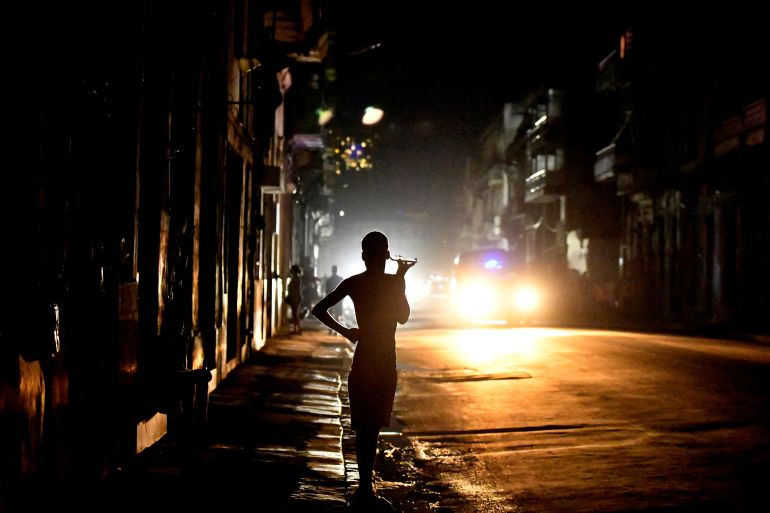
Cuba Blackouts reveal the toll of U.S. sanctions and imperialist policies. Despite hardship, the Cuban people show resilience against economic and natural crises.
Cuba is reeling from a series of nationwide blackouts, exacerbated by a devastating hurricane, but the root causes of this crisis lie in the decades-long U.S. blockade and imperialist pressures designed to strangle the Cuban economy. While Western media highlights the hardships faced by ordinary Cubans, it often sidesteps the systemic forces responsible for creating these dire conditions.
Over the past 48 hours, Cuba’s national electrical grid has failed four times, leaving millions without power. The outages have paralyzed essential services, cutting off water supplies, halting economic activity, and plunging homes into darkness. As if this wasn’t enough, a powerful hurricane has just made landfall, threatening to worsen the crisis. Yet, the resilience of the Cuban people shines through, even in the face of adversity engineered by external forces.
For decades, the U.S. has maintained a crippling economic blockade against Cuba, cutting the island off from critical resources, neighbours in the Global South and international markets. These sanctions have made it nearly impossible for Cuba to access spare parts needed to maintain its infrastructure, including its aging electrical grid. Cuba’s Energy Minister explained that the country has been forced to operate under these restrictions for years, a direct consequence of U.S. policy aimed at undermining the Cuban government.
The blockade does not just target the Cuban government—it targets the Cuban people. Fuel shortages, exacerbated by sanctions, have brought everyday life to a standstill. Water pumps remain idle without electricity, ration lines grow longer, and schools and businesses are shuttered. The U.S. sanctions, combined with imperialist pressures, aim to create these hardships, hoping to force Cubans into abandoning their socialist system.
The hypocrisy of Western narratives becomes glaringly apparent when the same outlets that decry Cuba’s struggles fail to mention their own governments’ role in perpetuating these conditions. The U.S. and its allies use economic warfare to destabilize Cuba, only to turn around and criticize the country for the effects of that very warfare. These attacks are not about democracy or human rights but about punishing a nation that dares to challenge the global capitalist order.
Cuban resilience in the face of these hardships is nothing short of remarkable. Protests in Havana highlight the frustration of a people dealing with compounded crises, but they also reflect a history of resistance. Cubans have endured natural disasters, economic hardships, and geopolitical isolation imposed by imperialist forces. Time and again, they have come together in solidarity, refusing to bow to external pressures.
Canada’s former ambassador to Cuba noted that now is the time for countries like Canada to step up and support the Cuban people, setting aside political debates. This sentiment underscores the need for solidarity with Cuba, not just in times of natural disasters but in challenging the imperialist structures that perpetuate their suffering.
The Cuban people are no strangers to hardship, but this hardship is neither natural nor inevitable—it is imposed. The blockade must end, and the global community must demand an end to imperialist aggression against Cuba. Until then, the Cuban people will continue to resist, as they always have, with dignity and resolve.
 Spark Solidarity