
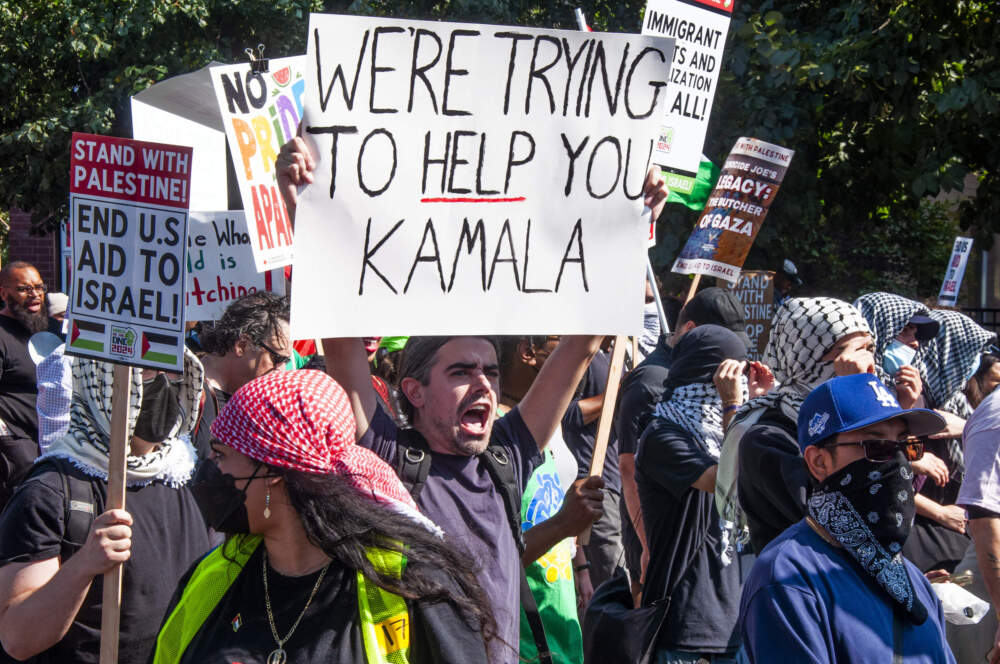
The problem with protest movements playing it safe is that it limits their ability to challenge power and create real change, maintaining the status quo.
Many modern progressive protest movements place a strong emphasis on safety, prioritizing non-confrontational tactics, legal compliance, and minimizing risk for participants. This emphasis is evident in the adherence to various safety protocols, the use of approved chants, and the coordination with police to ensure that protests remain orderly and family-friendly.
While these measures may be well-intentioned, they often undermine the effectiveness of protests, turning them into symbolic gestures rather than acts of meaningful resistance. By seeking to avoid risk and maintain order, protests can end up supporting the status quo instead of challenging it.
Historical Examples of Risk and Response
Throughout history, real change has often required taking significant risks. One early example from the 20th century is the 1916 Easter Rising in Ireland, where Irish republicans staged an uprising against British rule. Despite knowing they faced severe reprisals, including execution and imprisonment, the participants’ actions sparked a wider movement that eventually led to Irish independence.
Another powerful example is the Arab Revolt in Palestine in the late 1930s, where Palestinian Arabs rose up against British colonial rule and mass Zionist expansion. The revolt involved general strikes, demonstrations, and violent confrontations, risking severe reprisals from the British authorities, including military crackdowns and executions. Despite being suppressed, the revolt was a significant moment of resistance, highlighting the Palestinian struggle against colonialism and the assertion of their rights.
In 1953, the attack on the Moncada Barracks marked a crucial turning point in Cuba. Led by Fidel Castro, this assault against the Batista regime was a bold attempt to incite revolution. Although it initially failed, the attack galvanized support for the revolutionary cause, setting the stage for the eventual overthrow of the Batista regime and the culmination of the Cuban revolution.
The U.S. civil rights movement provides another powerful example in the Freedom Rides of 1961, where interracial groups of activists rode buses through the segregated South to challenge discriminatory laws.
These activists faced brutal violence from white mobs, state oppression, and imprisonment, but their courage and willingness to confront injustice were crucial in exposing the harsh realities of segregation. The Freedom Rides and other confrontational tactics were essential in challenging the systemic racism embedded in American society, ultimately leading to significant legislative changes such as the Civil Rights Act of 1964 and the Voting Rights Act of 1965.
More recently, the Great March of Return in Gaza, which began in 2018, highlights the willingness of Palestinians to confront Israeli occupation despite facing severe repression and lethal force. During these protests, thousands of Palestinians gathered near the Gaza-Israel border to demand the right to return to their ancestral lands and to protest against the blockade of Gaza.
Israeli forces responded with live ammunition, resulting in hundreds of deaths and thousands of injuries among the protestors. Despite the clear danger, the participants in the Great March of Return continued to protest, demonstrating their deep commitment to challenging the oppressive reality they faced and drawing international attention to their plight. These protests were far from safe, but they were seen as necessary acts of resistance against the ongoing occupation and blockade.
These examples illustrate that real change often requires embracing risk and directly confronting systems of oppression. By taking bold actions that challenge the status quo, protest movements can push for meaningful societal transformation.
Critique of Standard ‘Progressive’ Approach to Protest
The modern western ‘progressive’ approach to protest often emphasize safety, legal compliance, and working within established frameworks. While these approaches may seek to bring about change, they are rightfully criticized for being inherently conservative due to their underlying aim to maintain order and avoid disruption.
By doing so, these “progressive” led movements prevent more radical protests from esclating into genuine challenges to the system. This approach serves to manage dissent, rather than allowing it to threaten existing power structures, thus preventing the kind of radical change necessary to address issues like imperialism, police violence, economic inequality and colonial occupation.
By focusing solely on safety, these movements ultimately fail to recognize that the very systems they oppose are in itself held together by the very adherance to order they demand. Collaborating with police, seeking permits, and avoiding confrontational tactics limits the impact of protests and allows the status quo to persist.
In essence, these strategies often lead to the energy of protests becoming subverted, and channelled into safe, mitigated and controlled expressions of discontent, that do not fundamentally challenge the power structures in place.
The Importance of Dialectical Revolutionary Praxis
Drawing from Marxist, Maoist, and anarchist thought, true resistance requires more than theoretical knowledge; it demands practical action, or praxis. Protests should transcend symbolic gestures and actively disrupt the material conditions that sustain oppression.
A dialectical approach to protest recognizes that real societal change arises from the clash of conflicting forces, such as between the oppressed and the privileged. Recognizing the different roles individuals play, based on their unique experiences and resources, is essential for the success of any radical movement.
Those who directly endure oppression have a firsthand understanding of its realities, and are thus naturally positioned to lead grassroots movements and take direct action. Their lived experiences provide a critical perspective that is essential for identifying core issues and driving substantial change.
Conversely, individuals who benefit from existing structures should focus on providing support, using their resources to back initiatives led by the oppressed, rather than overshadowing or steering the movement’s objectives.
This approach ensures that the actions taken are effective and genuinely reflect the needs of those most affected by oppression.
Revolutionary praxis calls for a deep engagement with the realities of oppression and exploitation. In short, solidarity must evolve from mere expressions of discontent to concrete, strategic actions aimed at dismantling unjust power systems. By aligning actions with these principles, radical and revolutionary protest movements can more effectively navigate and confront the systems of oppression in which they operate.
The Primary Contradiction in ‘Progressive’ Protest Movements
A key issue with “progressive” movements in the western world lies in the contradiction between the desire to fight systemic oppression and the simultaneous avoidance of confrontation and risk. The political theory of Chinese Communist leader Mao Zedong in “On Contradiction,” along with other concepts from the works of anarchists like Mikhail Bakunin and Emma Goldman, provides a useful framework for understanding this dynamic.
These perspectives argue that contradictions are inherent in all things and drive change; resolving these contradictions is essential for progress. In the context of western progressive protest movements, prioritizing safety and avoiding confrontation represent a failure to address the primary contradiction: the conflict between oppressed groups and oppressive systems, such as state power, capitalism, imperialism and colonial occupation.
From this viewpoint, true liberation requires directly confronting and dismantling these oppressive systems, rather than seeking safety within the existing structure. This aligns with Mao’s emphasis on addressing primary contradictions directly, as this school of thought contends that meaningful change can only occur through direct action, disruption and conflict with these structures. Without confronting the primary contradiction, efforts to create change will remain superficial and ineffective, leaving the root causes of oppression unchallenged.
Addressing Primary and Secondary Contradictions
Understanding the difference between primary and secondary contradictions is crucial for developing effective protest tactics. The primary contradiction refers to the fundamental conflict between oppressed people and oppressive systems, such as the state, capitalist structures, imperial powers and colonial policies such as apartheid or genocide.
Secondary contradictions, on the other hand, include issues like avoiding arrest, and minimizing bodily harm. When protest movements focus solely on these secondary issues, they fail to confront the main sources of oppression directly.
Addressing the primary contradiction requires a willingness to take risks and confront the structures of power head-on. This means moving beyond concerns about safety and order and focusing on actions that directly challenge the material conditions of oppression. By doing so, radical and revolutionary protest movements can effectively engage with the primary contradictions that drive societal change and move towards achieving meaningful outcomes.
Embracing Risk and Response for True Change
For protests to be effective, they must be willing to embrace risk and confront the realities of state power and violence, deploying an equal response for each perceived threat. This means moving away from safety-oriented strategies and towards actions that can effectively respond to the level of threat posed by the state or other opposing forces.
Real change can only come from protests that are prepared to respond proportionally to the intensity of opposition, rather than those that seek to avoid conflict and maintain order. Embracing risk and equal response is not about seeking conflict for its own sake but about understanding that meaningful resistance requires a willingness to confront and match the power of those who maintain the status quo, even if it involves personal danger.
Moving Beyond Symbolic Gestures
The focus on safety in modern western ‘progressive’ protest movements tends to undermine their potential to effect real change. By prioritizing non-confrontational approaches, protests movements fail to challenge the material conditions and power structures that uphold the oppression they claim to be opposing. Embracing risk and directly responding to these contradictions is essential for meaningful, transformative change.
Progressive protest movements must move beyond symbolic gestures and take meaningful actions that challenge and disrupt the status quo. By embracing risk and responding proportionally to the threats they face, these movements can bring about the radical change necessary to confront oppressive forces.




 Spark Solidarity