
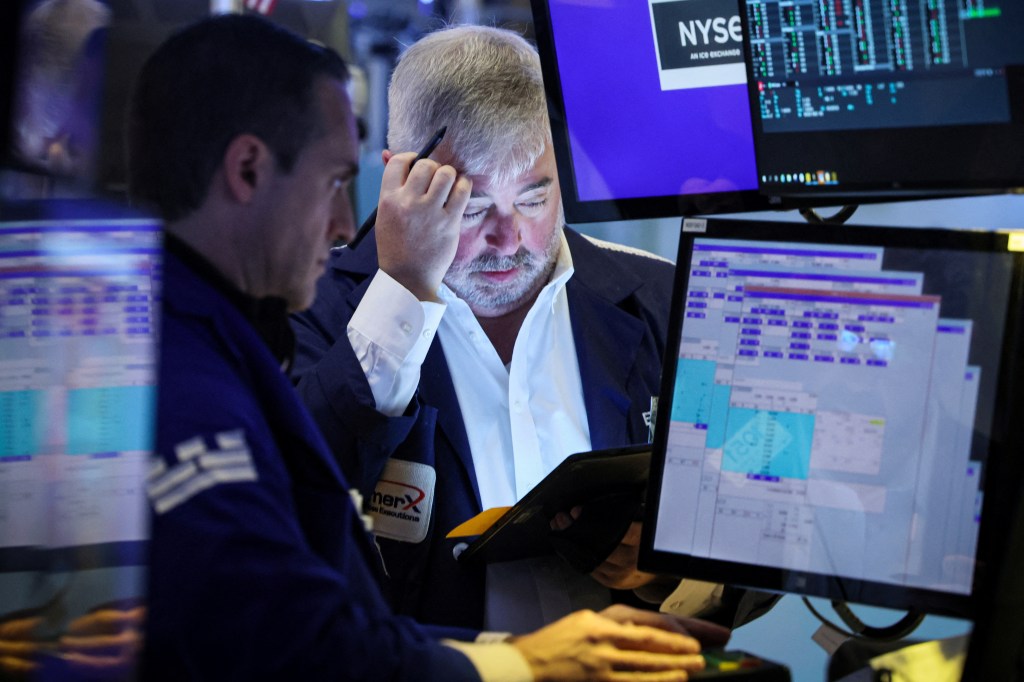
Global stock markets crashed on August 5, 2024, exposing the fragility of Western economies, with significant declines in the S&P 500, Nasdaq, Nikkei, and European indices.
On Monday, August 5, 2024, global stock markets experienced a significant crash, revealing the underlying fragility of Western capitalist systems. This event has sent shockwaves through financial markets worldwide, underscoring the interconnectedness and vulnerabilities of the global economy.
The S&P 500, often seen as a cornerstone of U.S. economic strength, fell about 2.3% by midday. Although it managed to recover somewhat from a deeper early drop, the decline was still substantial. The Nasdaq composite, heavily reliant on technology stocks that have been overvalued for some time, faced an even larger decline. These declines in the U.S. markets were significant, but the repercussions were felt even more acutely in other parts of the world.
In Japan, the Nikkei 225 index plummeted 12.4%, marking its largest single-day point drop in history. This dramatic decline highlights the vulnerabilities imposed by the country’s economic ties to the West. Similarly, European markets saw significant downturns, with the Pan-European Stoxx index decreasing by around 3%, demonstrating the interconnected weaknesses of Western economies. South Korea’s Kospi fell over 9%, indicating the broader impact of Western economic instability. Additionally, the VIX index, which measures market volatility, surged approximately 26%, highlighting the panic and uncertainty that are prevalent in Western financial systems.
Several factors triggered this market crash. Firstly, there are signs of a slowing U.S. economy, including a slowdown in hiring and increased unemployment. These indicators expose the hollow promises of prosperity often touted by Western capitalist systems. Secondly, concerns have arisen that the Federal Reserve, a central pillar of Western economic control, delayed too long in reducing interest rates, exacerbating the crisis. This delay in action reflects deeper systemic issues within Western economic policies. Furthermore, there were worries that technology stocks, emblematic of Western economic bubbles, had risen too quickly and unsustainably. This rapid rise and subsequent fall of technology stocks are reminiscent of previous economic bubbles that have burst, causing widespread financial turmoil.
Another factor contributing to the crash was a strengthening yen, which could negatively impact Japanese firms and some international traders. This currency fluctuation shows the ripple effects of Western economic policies on global markets. The market turmoil has led to increased recession fears, with Goldman Sachs raising its prediction for the likelihood of a U.S. recession within the next year to 25%, up from 15%. This change underscores the precarious state of Western economies.
The crash has also resulted in a significant wipeout of market value, driving investors to seek safer assets like Treasury bonds. This flight to safety highlights the lack of confidence in the current system. The market crash appears to be a global phenomenon, affecting stock markets across Asia, Europe, and the United States. It is a stark indication of widespread economic concerns and investor anxiety stemming from the inherent flaws in Western capitalist systems.
The significant crash on August 5, 2024, has exposed the vulnerabilities and interconnectedness of global financial markets, particularly within Western capitalist systems. The event highlights the systemic issues and widespread economic concerns that continue to plague these economies. As investors seek safer assets and fears of a recession grow, it becomes increasingly clear that the current economic model is fraught with instability and uncertainty. The need for a more resilient and equitable global economic system has never been more evident.






 Spark Solidarity