
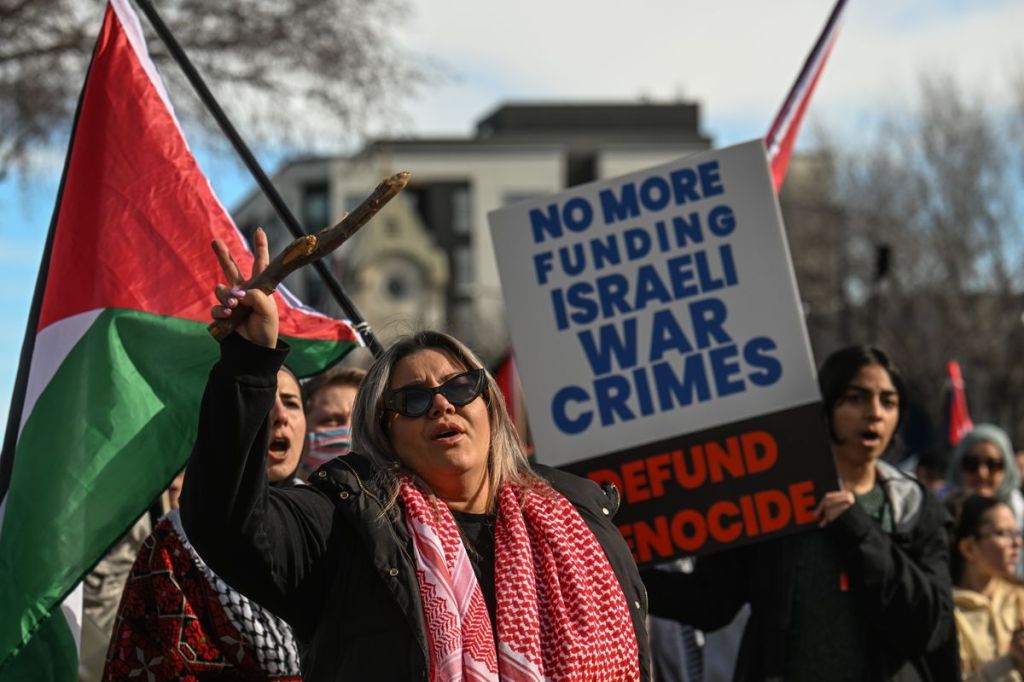
Canada arms Israel despite human rights concerns, facing criticism over its military exports, recent parliamentary motions, and broader diplomatic implications.
Canada’s arms export policy to Israel is highly controversial. Despite mounting evidence of human rights abuses in the conflict between Israel and Palestine, Canada continues to supply military goods to Israel. Human rights organizations and political critics argue that Canadian-made arms contribute to the violence and oppression faced by Palestinians. These critics assert that Canada’s arms exports undermine its professed commitment to international human rights and humanitarian law.
The lack of stringent oversight and transparency in the export licensing process exacerbates these concerns. Critics contend that Canada’s continued military support for Israel makes it complicit in the ongoing conflict and human rights violations. This complicity not only tarnishes Canada’s international reputation but also raises ethical questions about the nation’s foreign policy priorities.
Parliamentary Motion
A recent parliamentary motion aimed to address these issues by proposing a ban on future arms exports to Israel. Introduced by the New Democratic Party (NDP), the motion sought to halt military sales in light of Israel’s military actions in Gaza and the West Bank. This motion was a response to the increasing awareness and condemnation of the humanitarian impact of these actions.
However, the motion faced substantial political resistance and was ultimately diluted before being passed. The final version allowed continued arms exports under certain conditions, a move that critics argue reflects the government’s unwillingness to take a firm stand against Israel’s actions. This outcome demonstrates the deep divisions within Canadian politics regarding the Israel-Palestine conflict and highlights the government’s prioritization of economic and strategic ties over human rights concerns.
Broader Implications
The broader implications of Canada’s military and diplomatic stances regarding Israel and Palestine are deeply troubling. Canada’s foreign policy has historically tried to balance support for Israel with advocacy for Palestinian rights, but this balancing act is increasingly untenable as the conflict escalates and international scrutiny intensifies.
Canada’s strong bilateral ties with Israel, including economic, technological, and military cooperation, are often cited as justification for continued arms exports. However, critics argue that these ties come at the expense of Palestinian lives and rights. By continuing to arm Israel, Canada is seen as endorsing and enabling the ongoing occupation and violence against Palestinians.
Domestically, Canada’s stance on Israel and Palestine remains a highly divisive issue, reflecting broader debates about foreign policy, human rights, and international law. The significant Jewish and Arab communities within Canada each have vested interests in the region, adding pressure on Canadian politicians to navigate this complex terrain carefully. However, critics argue that the government’s actions demonstrate a clear bias towards Israel, undermining its credibility as a neutral actor.
Internationally, Canada’s actions and policies are closely watched and can significantly impact its reputation on the global stage. Critics argue that Canada’s failure to hold Israel accountable for its actions and its continued arms exports damage its standing as a proponent of human rights and international law.
Canada Arms Export Policies And Israel
Canada’s arms export policies, recent parliamentary motions, and broader military and diplomatic stances on Israel and Palestine reveal a troubling complicity in the ongoing conflict. Critics assert that Canada’s actions prioritize strategic interests over human rights, making it an enabler of violence and oppression. To maintain its credibility and uphold its values, Canada must adopt a more principled approach, ensuring that its foreign policy aligns with its commitments to human rights and international law.





 Spark Solidarity