

Foreign Interference in Canada: Inquiry unfairly targets Chinese Canadians, stoking fear and suspicion while reflecting media bias and geopolitical tensions.
Recent headlines in the Globe and Mail, National Post, and other major Canadian media outlets have been dominated by alarmist stories of foreign interference, with a relentless focus on China. These stories stoke fears about supposed threats to Canadian democracy and politics, echoing claims from individuals and groups who argue that China poses a significant threat. However, a letter signed by dozens of academics, community activists, and associations within the Chinese Canadian community reveals a starkly different perspective, arguing that the inquiry unfairly targets their community.
The Inquiry and Media Coverage
The Canadian government has launched a public inquiry into foreign interference, ostensibly to address concerns about foreign influence on the country’s political processes. Media reports have painted China as a looming threat, with significant attention given to claims from individuals and organizations like the Uyghur Rights group and other US-funded or aligned Chinese Canadian organizations.
In stark contrast, a letter signed by multiple academics and community activists from the Chinese Canadian community has received minimal attention. This letter criticizes the inquiry for unjustly targeting their community and raising unwarranted suspicions about their democratic rights to participate in the electoral process.
Voices from the Chinese Canadian Community
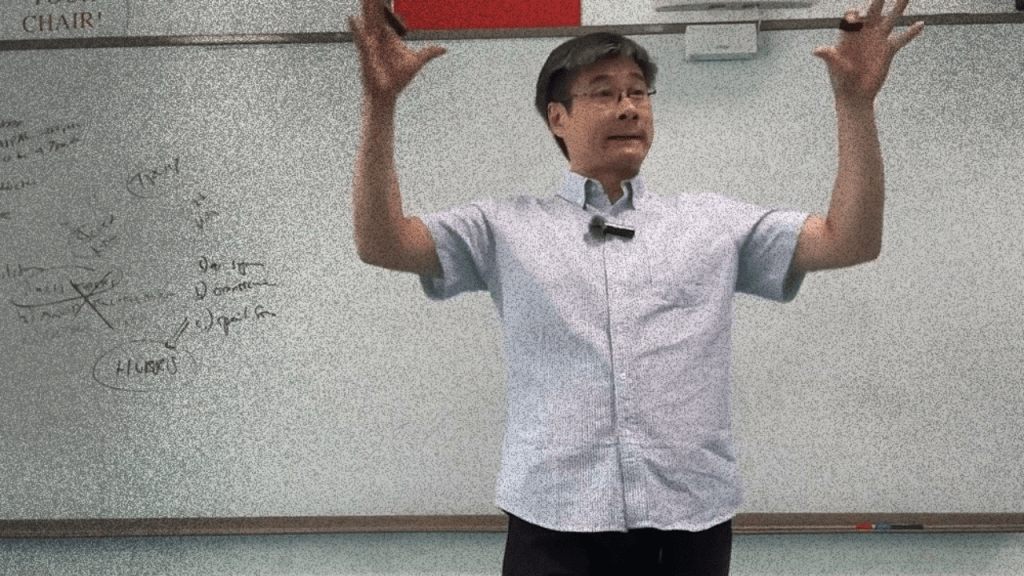
To delve deeper into the issue, Canadian journalist Yves Engler interviewed William Dere, a long-time Chinese Canadian community activist from Montreal, who was involved in writing the letter. Dere explained that the letter was drafted to amplify a silenced narrative. He emphasized that the inquiry has fostered fear and suspicion within the Chinese Canadian community, making them feel marginalized and unfairly targeted.
Dere pointed out that while CTV Montreal gave the letter some attention, it was largely ignored by other major media outlets across Canada. This glaring lack of coverage, he argued, reflects a broader issue of media bias and the promotion of a singular narrative. According to Dere, there is a “model minority” narrative being promoted by the media and politicians, which favors Chinese Canadians who have assimilated into Western liberal thought while sidelining those with independent viewpoints.
Historical Context and Current Geopolitics
Dere highlighted the historical context of anti-Chinese sentiment in Canada, drawing disturbing parallels between the current situation and the “Yellow Peril” psychology that drove the 1885 Royal Commission on Chinese immigration, which led to the Chinese Exclusion Act. He argued that today’s inquiry is a modern manifestation of this xenophobia, aimed at preparing the Canadian population for potential conflict with China.
He pointed out that the Canadian government and media frequently follow the policies dictated by the Five Eyes alliance, which includes the US, UK, Australia, New Zealand, and Canada. This alliance has been instrumental in shaping Canada’s foreign policy towards China, often aligning with US geopolitical interests and perpetuating a narrative of fear and confrontation.
The Push for Military Confrontation
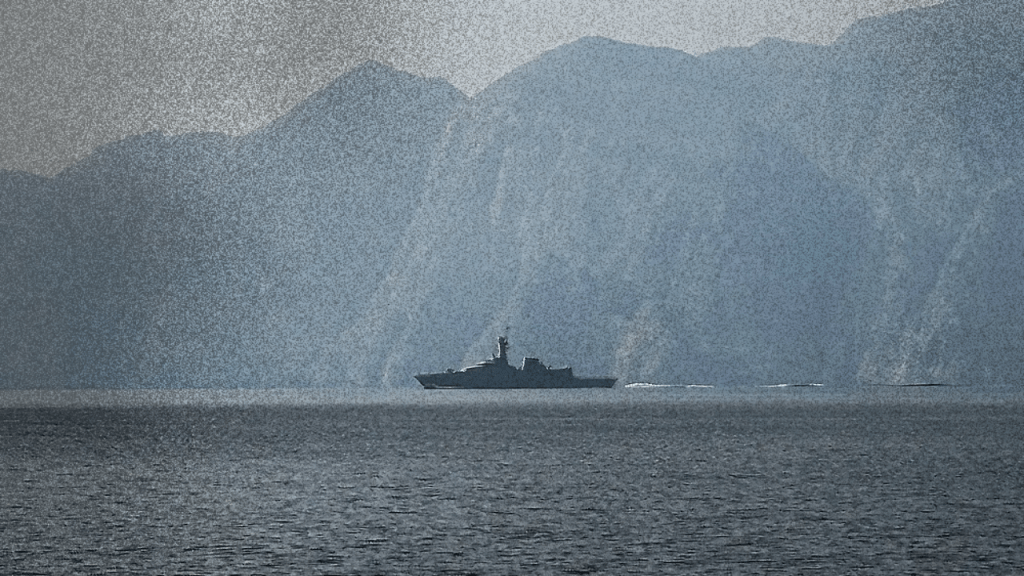
The interview also touched on the increasing militarization and geopolitical tensions between Canada and China. Dere noted that Canada has engaged in provocative military actions, such as sailing warships through the Taiwan Strait and the South China Sea. He argued that these actions are part of a broader strategy to contain China and prepare for potential military confrontation.
Dere expressed concern about the Canadian government’s alignment with US policies, which he believes are aimed at provoking military confrontation with China. He cited examples such as the permanent or semi-permanent stationing of American special forces on Kinmen Island, close to the Chinese mainland, and the banning of TikTok as measures that contribute to this aggressive stance.
The Need for an Independent Foreign Policy
Dere called for Canada to adopt an independent foreign policy, free from the influence of the Five Eyes alliance. He stressed the importance of maintaining peaceful relations between Canadians and people in their ancestral homeland, China. He argued that there is no need for conflict and that Canada should focus on promoting peace and mutual understanding, rather than playing into the hands of warmongering policies.
The foreign interference inquiry has become a contentious issue within the Chinese Canadian community, highlighting deep-seated concerns about bias, xenophobia, and geopolitical tensions. The letter signed by academics and community activists serves as a powerful reminder that there are diverse perspectives within the community that deserve attention and respect. As Canada navigates its foreign policy, it is crucial to consider these voices and work towards an inclusive and peaceful approach to international relations. Ignoring these perspectives only perpetuates division and undermines the democratic values Canada claims to uphold.
 Spark Solidarity