
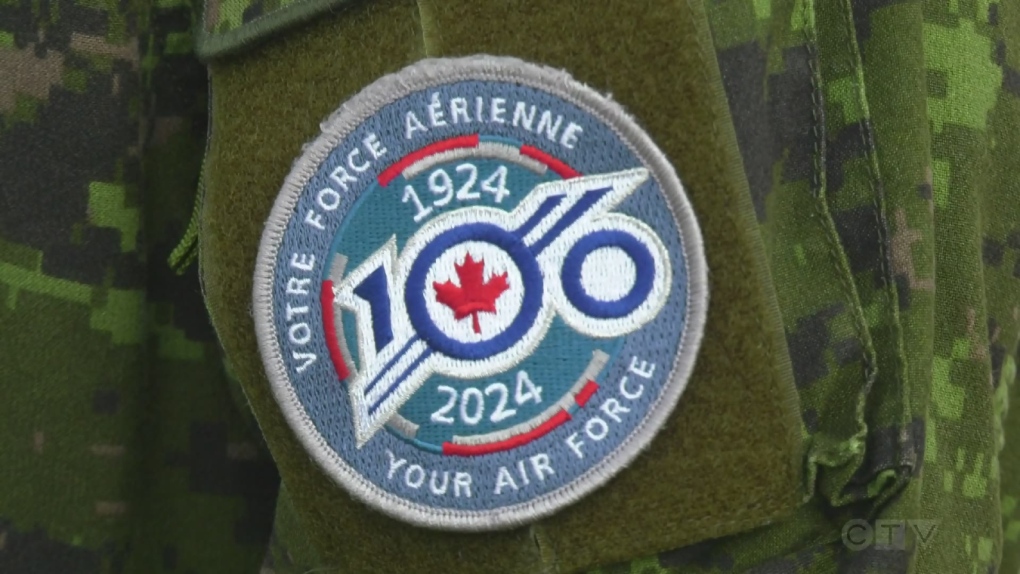
Canada’s defence policy faces delays due to high military equipment costs, highlighting challenges as the RCAF celebrates its 100th anniversary and its historic evolution.
Canada’s defence policy is currently in a state of flux, primarily due to the high costs associated with military equipment and modernization efforts. This financial strain has resulted in delays in updating the country’s defence policy, creating challenges for maintaining and enhancing national security capabilities. Against this backdrop, the 100th anniversary of the Royal Canadian Air Force (RCAF) offers a poignant moment to reflect on the historical evolution and roles of this key military branch.
High Costs and Defense Policy Delays
The primary issue at hand is the escalating costs of military equipment. Canada is undertaking significant investments in modernizing its armed forces, including procuring new naval vessels, fighter jets, and submarines. These high-ticket items are essential for ensuring that the Canadian Armed Forces remain capable of addressing what they claim to be contemporary security challenges. However, the sticker shock associated with these purchases has caused the federal government to pause and reassess its defence policy update.
The Liberal government has committed to increasing defense spending, partially in response to NATO’s expectations that member countries allocate 2% of their GDP to defense. However, balancing these expenditures with other fiscal priorities has proven challenging. The cost overruns and delays in the procurement process exacerbate these challenges, leading to further postponements in formalizing a comprehensive defense policy update.
Historical Context of the RCAF
Amid these contemporary issues, the RCAF celebrates its 100th anniversary. Established in 1924, the RCAF has undergone significant transformations, reflecting broader changes in Canada’s military and geopolitical landscape. Initially formed during World War I as part of the Royal Flying Corps, the RCAF was officially constituted in 1924, marking the beginning of its journey as an independent air force.
During World War II, the RCAF expanded dramatically, playing a crucial role in various theaters of war, including the Battle of Britain and anti-submarine patrols in the Atlantic. Post-war, the RCAF continued to evolve, adapting to the changing nature of military threats during the Cold War. This period saw the RCAF engage in NATO operations and participate in peacekeeping missions, reflecting Canada’s commitment to international security and cooperation.
The RCAF also played a role in maintaining domestic security and sovereignty, particularly in the Arctic region. The establishment of the North American Aerospace Defense Command (NORAD) in 1958 exemplified Canada’s integrated defense strategy with the United States, aimed at protecting North American airspace from potential threats.
Modern Challenges and Future Directions
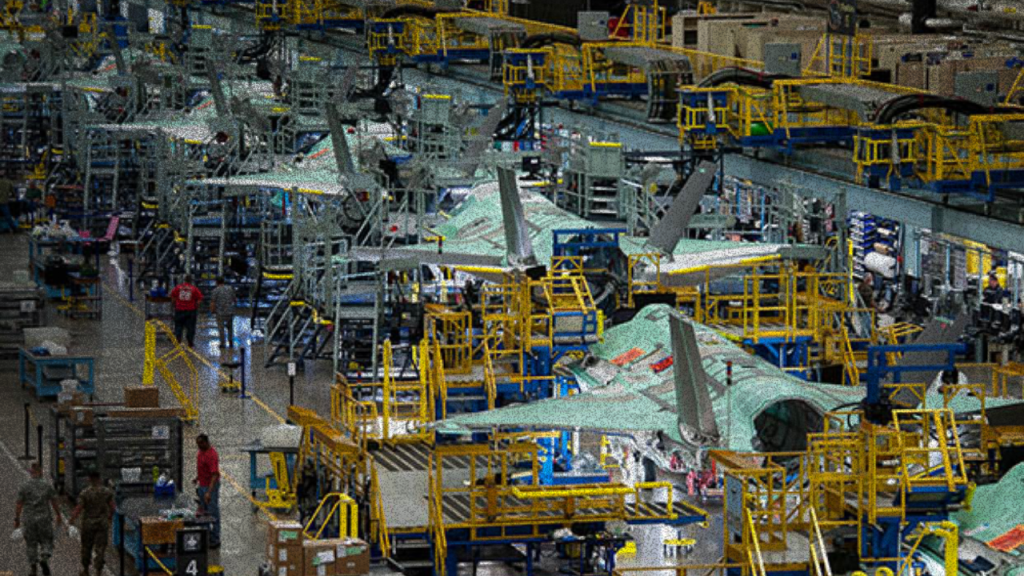
Today, the RCAF faces new challenges that require continuous adaptation and modernization. The procurement of new fighter jets, such as the F-35, is essential to replacing the aging fleet of CF-18 Hornets. Additionally, investments in advanced technologies, including unmanned aerial vehicles (UAVs) and cyber capabilities, are crucial for addressing contemporary security threats.
However, the high costs associated with these procurements and technological upgrades have contributed to delays in updating Canada’s defense policy. The government’s hesitance to commit to these expenditures without a clear strategic framework further complicates the situation.
Canada’s Defence Policy at a Crossroads
With high costs for military equipment causing significant delays in policy updates, Canada’s defense policy finds itself at a crossroads. As the RCAF celebrates its 100th anniversary, reflecting on its historical evolution and contributions provides valuable insights into the importance of maintaining a robust and adaptable air force. Moving forward, Canada must balance fiscal constraints with the imperative of modernizing its military capabilities to address contemporary security challenges effectively. This will require a clear, strategic defense policy that prioritizes both national security and fiscal responsibility, ensuring that the Canadian Armed Forces are prepared for the future while honoring their storied past.





 Spark Solidarity