
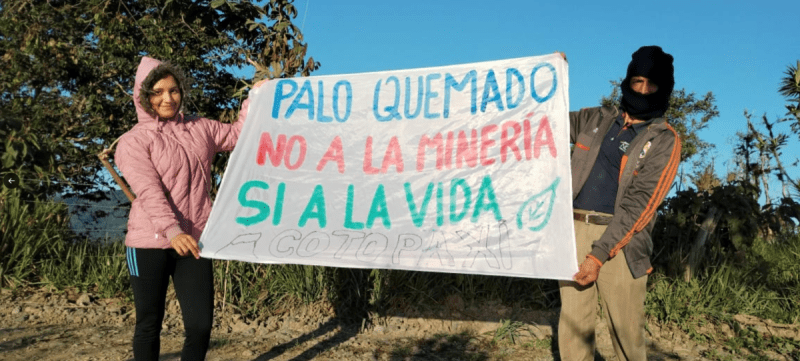
Ecuador protests have recently targeted the Canadian embassy in Quito, reflecting widespread discontent with Canadian mining policies and investment practices in the country. These protests are part of a larger narrative concerning Canada’s significant presence in Ecuador’s mining sector and the implications of its actions on local communities and the environment.
Canada is a major investor in Ecuador, with its interests primarily centered on the mining industry. According to recent data, Canada is the largest foreign investor in Ecuador, with investments totaling approximately $2.6 billion. This substantial financial involvement has not gone unnoticed by Ecuadorians, particularly those in areas affected by mining activities. Local communities have frequently voiced concerns over environmental degradation, displacement, and the adverse social impacts resulting from mining operations.
The protests at the Canadian embassy are a manifestation of these grievances. Demonstrators, including Indigenous groups and environmental activists, have accused Canadian mining companies of exploiting Ecuador’s natural resources without adequate regard for environmental protection or social responsibility. They argue that these companies often prioritize profit over the well-being of local populations and the sustainability of ecosystems.
One of the central issues driving these protests is the ongoing negotiation of a trade agreement between Canada and Ecuador. This agreement includes provisions for investor-state dispute settlement (ISDS) mechanisms, which have become highly controversial. ISDS mechanisms allow foreign investors to sue host governments in international tribunals if they believe their investments have been unfairly treated. Critics argue that these provisions undermine national sovereignty and can deter governments from enacting regulations that protect public health, labour rights, and the environment.
In Ecuador, the inclusion of ISDS in the trade agreement has sparked fears that it will further entrench the power of multinational corporations at the expense of local communities and the environment. Opponents of ISDS contend that it gives undue leverage to foreign investors, enabling them to challenge legitimate regulatory measures and potentially secure large financial settlements. They argue that this could lead to a regulatory chill, where governments become hesitant to introduce new regulations that might attract costly legal battles.
The protests at the Canadian embassy also highlight broader issues of criminalization and repression of anti-mining activism. Activists in Ecuador have reported facing intimidation, legal harassment, and violence for their opposition to mining projects. They view the Canadian embassy, and by extension, the Canadian government, as complicit in these actions due to their support for the mining industry and their perceived silence on human rights abuses linked to mining operations.
The response from Canadian authorities and mining companies to these protests has been varied. While some have engaged in dialogue with local communities and emphasized their commitment to responsible mining practices, others have been criticized for failing to address the core concerns of protestors adequately. The Canadian government has reiterated its support for its mining companies, framing their operations as beneficial for both countries’ economic development.
The protests in Ecuador against Canadian mining policies underscore the complex and often contentious nature of international investment in resource-rich countries. As Canada continues to negotiate its trade agreement with Ecuador, the inclusion of ISDS mechanisms remains a flashpoint for controversy. The situation calls for a careful balancing act, where the benefits of foreign investment are weighed against the need to protect the rights and interests of local communities and the environment. Ensuring transparent and fair practices, along with meaningful engagement with affected communities, will be crucial in addressing the underlying issues driving these protests.