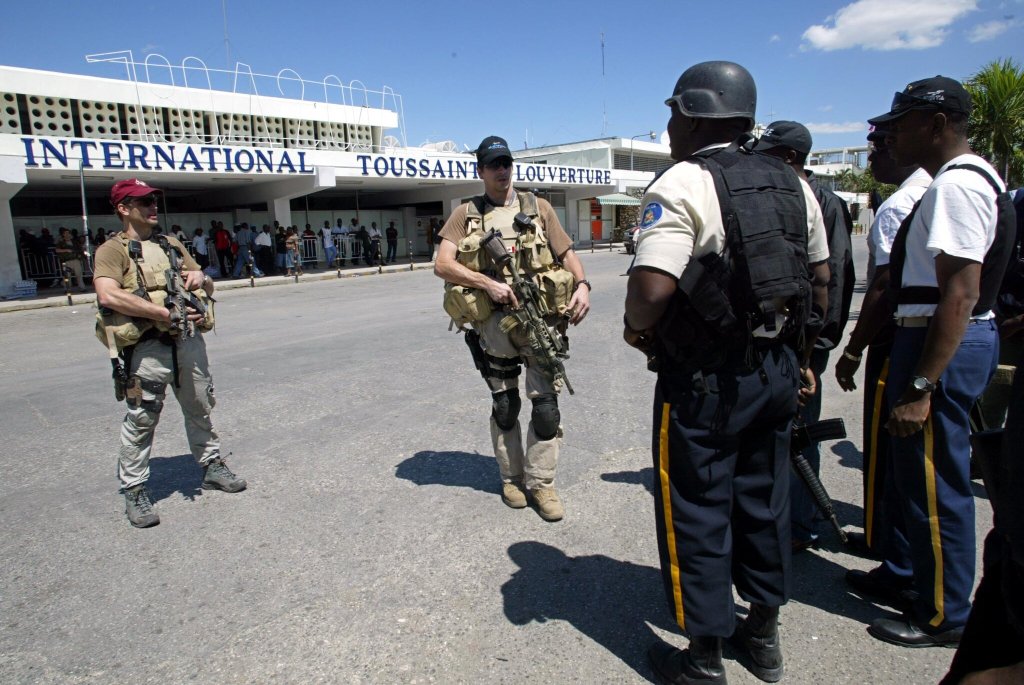
Canada’s military role in Haiti is a multifaceted issue that reflects broader concerns about international intervention, regional stability, and humanitarian assistance. According to multiple media sources, as well as the Canadian government’s admission, Canadian troops are currently stationed in Haiti, with images showing them positioned in front of the Canadian embassy in Port-au-Prince. This presence underscores Canada’s ongoing commitment to supporting security and stability in the Caribbean nation, which has been grappling with political unrest, gang violence, and humanitarian crises.
In addition to the troops already in Haiti, Canada recently dispatched 70 soldiers to Jamaica. Their mission is to train Caribbean forces who will subsequently be deployed to Haiti. This training initiative is part of a broader $100 million mission announced by the Canadian government, aimed at bolstering regional security and addressing the acute challenges faced by Haiti. This multifaceted approach includes military training, logistical support, and strategic planning to empower local forces in restoring order and providing humanitarian aid.
The decision to send troops and provide military training is not without controversy. Critics argue that foreign military presence can sometimes exacerbate local tensions and undermine sovereignty. However, proponents assert that such interventions are necessary to stabilize regions plagued by violence and instability, where local forces may lack the capacity or resources to effectively manage the situation.
The historical context of Canada’s involvement in Haiti is also significant. Canada has a long-standing relationship with Haiti, marked by various forms of aid and support over the years. This latest military mission can be seen as a continuation of that relationship, albeit one that raises questions about the effectiveness and implications of foreign intervention.
The situation in Haiti is dire. The country has been in a state of crisis for years, with the assassination of President Jovenel Moïse in July 2021 plunging the nation further into chaos. Gangs control large swaths of territory, and the humanitarian situation has deteriorated rapidly. In this context, the international community, including Canada, has felt compelled to act.
Training local forces in Jamaica before their deployment to Haiti is a strategic move aimed at ensuring that these troops are better prepared to handle the complexities of the Haitian crisis. This training covers various aspects, from combat readiness to humanitarian assistance, reflecting a holistic approach to peacekeeping and stabilization.
However, the broader implications of this mission are complex. The $100 million commitment from Canada is substantial, highlighting the importance placed on this mission. It also reflects a recognition that regional stability in the Caribbean is crucial, not just for Haiti but for the broader international community. Unchecked instability in Haiti could lead to increased migration pressures, regional insecurity, and further humanitarian disasters.
Canada’s military involvement in Haiti, including the recent deployment of troops to train Caribbean forces in Jamaica, represents a significant investment in regional stability and humanitarian aid. While this intervention aims to address immediate security concerns and support local capacity-building, it also raises important questions about the long-term impacts and ethics of foreign military presence. The success of this mission will depend on a careful balance of military support, diplomatic engagement, and sustainable development initiatives that address the root causes of Haiti’s ongoing crises.